LA Waterkeeper slates annual fundraiser for Sept. 24

Saturday, Sept. 24 at 5 p.m. at Making Waves, LA Waterkeeper’s annual fundraising gala, at Paradise Cove Beach Cafe, Malibu.

This year marks the 50th Anniversary of the passing of the Clean Water Act. They will celebrate this monumental legislation and how the organization uses it to advocate for healthy, vibrant waterways and sustainable, equitable, and climate-smart water supplies for all Angelenos.

Entertainment features award-winning funk musician Ollie Gabriel,  late-night comedian Heather Pasternak, and multi-genre artist DJ Amara

Individual tickets are $500.  

How else to spend a sizzling hot Labor Day?

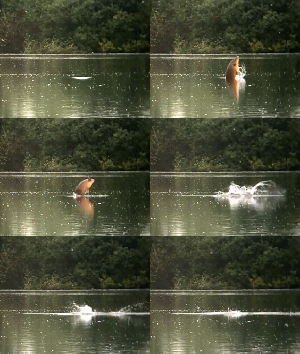
YES, HAPPY: New fly fisher Arnold Henry-John hoists 26 inches of carp, caught on the first cast at an undisclosed location. (Credit: Debbie Sharpton)

Algae bloom hits Mammoth’s Crowley Lake just ahead of Labor Day

If you are going north for the long weekend, take note.

For Immediate Release: Contact: Blair Robertson – Public Information Officer August 29, 2022

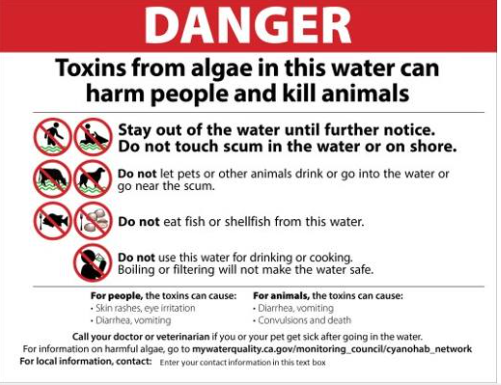
SACRAMENTO – The Lahontan Regional Water Quality Control Board (Water Boards) are urging fisherman and recreational users to stay out of the water at Crowley Lake located in Mono County. Localized areas of the lake were tested to confirm that the lake is being impacted by Harmful Algal Blooms (HABs). The lake is posted with a recreational advisory of “DANGER” to alert lake users of the elevated risk. Recreators are encouraged to follow the below guidance until further notice.

Danger

  • Stay out of the water until further notice, including watercraft.
  • Do not let pets and other animals drink or go into the water, or go near the scum.
  • Stay away from scum, and cloudy or discolored water.
  • Do not eat fish or shellfish from this water.

• Do not use this water for drinking or cooking. Boiling or filtering will not make the water safe.

A volunteer citizen monitoring partner noticed visual observations of a potential bloom while sampling during the Labor Day Pre-Holiday Assessment at Crowley Lake. Sample results confirmed toxins present at danger level thresholds in a sample collected from the marina area. Caution level toxins were present at a second sample collected near the Hilton Creek drainage.

Note that cyanobacteria, a group of organisms that form harmful algal blooms, can produce potent toxins. Health risks are associated with HABs as they produce dermatoxins that can cause skin inflammation, which can cause itching skin and rashes, as well as gastrointestinal distress, headaches, agitation and weakness, or abnormal breathing if HAB material is swallowed while swimming. Dogs and children are most susceptible to exposure because of their smaller body size, increased potential to swallow water while swimming, and tendency to stay in the water longer. If you suspect exposure, wash your children and dog immediately. Due to the size and toxicity of the bloom with increasing temperatures and decreased precipitation this time of year, the bloom may proliferate and alter its potential to produce toxins.

The bloom occurring in the lake appears suspended on the water’s surface. Bloom conditions can change rapidly, as the winds and waves move or concentrate the bloom into different regions of the lake. In some areas, the bloom may concentrate and form a film or scum on the water surface. The color of the water may also appear discolored as bright or dark green and brown.

The Water Boards will provide regular updates to inform the community when postings are removed on the California HAB Reports Web Map.

The Water Boards recommend that people practice healthy water habits while enjoying the outdoors this summer at your local lake, river or stream:

  • Heed all instructions on posted advisories if present
  • Avoid algae and scum in the water and on the shore
  • Keep an eye on children and pets
  • If you think a harmful algal bloom or toxic algal mats are present, do not let pets and other animals go into or drink the water or eat scum/algal mats on the shore
  • Don’t drink the water or use it for cooking
  • Wash yourself, your family and your pets with clean water after water play
  • If you catch fish, throw away guts and clean fillets with tap water or bottled water before cooking
  • Avoid eating shellfish if you think a harmful algal bloom is present Get medical treatment immediately if you think that you, your pet, or livestock has gotten sick after going in the water. Be sure to alert the medical professional to the possible contact with cyanobacteria. Also, make sure to contact the local county public health department. To report a bloom, do one of the following:

• Fill out the Bloom Report form on the HABs Portal: https://mywaterquality.ca.gov/habs/do/bloomreport.html

  • Email: CyanoHAB.reports@waterboards.ca.gov
  • Call the HABs hotline: 1-844-729-6466 (toll free)
  • Contact your County Public Health Office For more information about HABs, please visit: California Harmful Algal Blooms Portal California Department of Public Health Resource Page

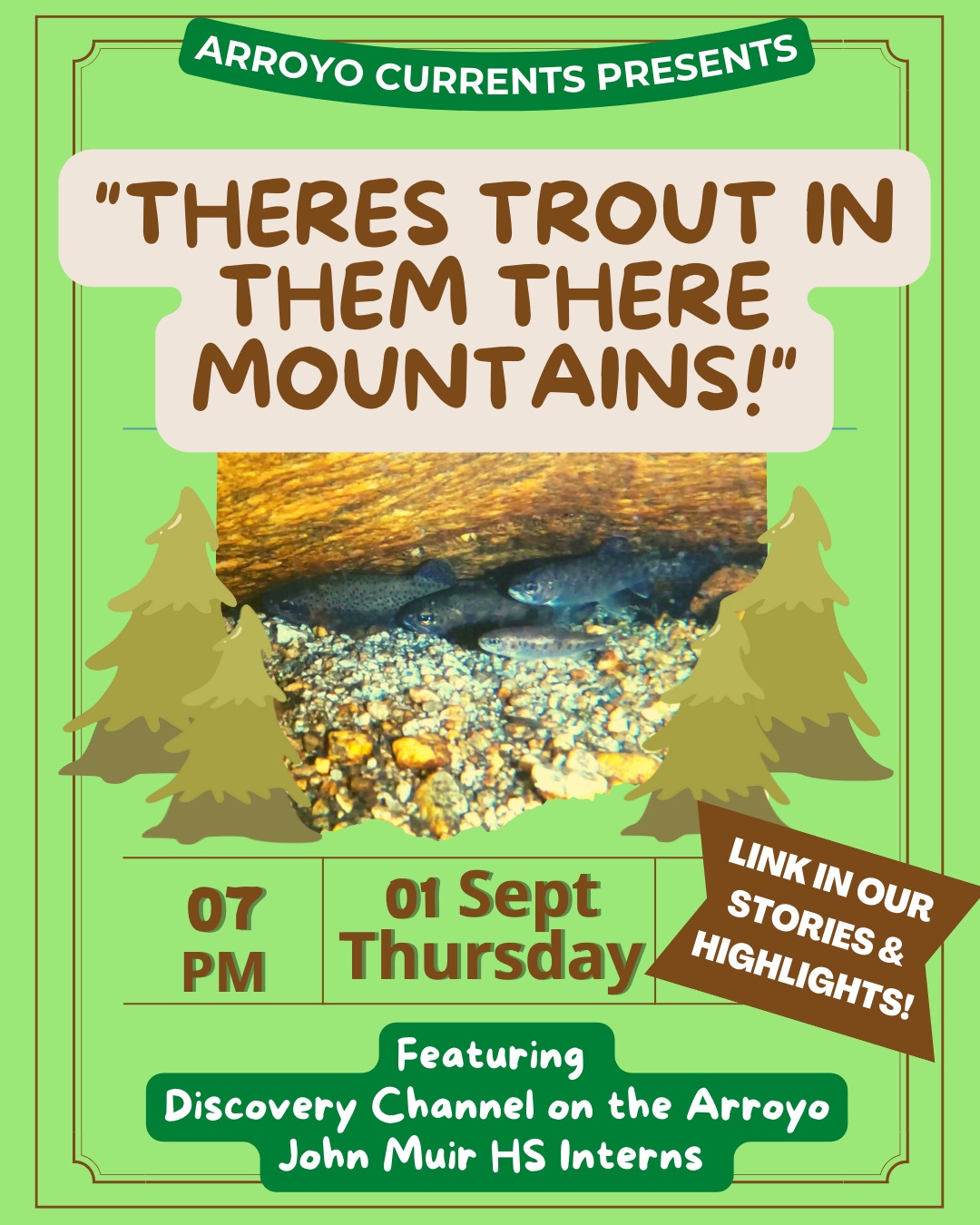
Tonight: Update on trout in the Arroyo Seco

Here’s the zoom link for the online meeting tonight about trout in the Arroyo and how they are doing during the long hot summer. It’s a remarkable story. Don’t miss it.


https://us02web.zoom.us/j/87104846957?pwd=OXdId3YxWkgzNkJydERKcjZhdkFaZz09

Gulch Fire means no East Fork access

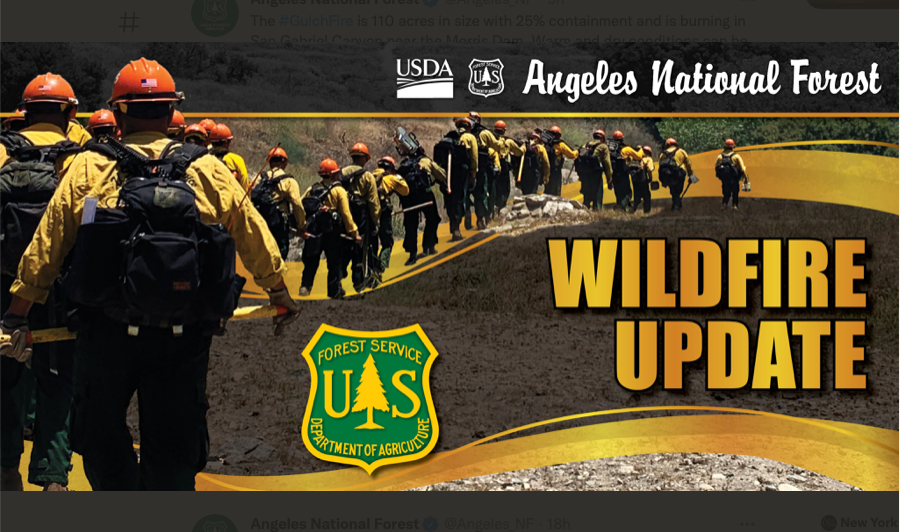
From the U.S. Forestry Service (Tuesday, Aug. 30) 

The Gulch Fire is 110 acres with 25% containment and is burning in San Gabriel Canyon near the Morris Dam. The fire started at 11:26 a.m. on August 29, and is burning upslope west and northwest. Warm and dry conditions can be expected across the incident today with gusts pushing the fire northwest.

The Angeles National Forest is aggressively working to contain the Gulch Fire with 179 firefighters diligently working through the day and night alongside air support. Thank you to the Los Angeles County Sheriff’s Department and CHP Baldwin Park for their assistance on the Gulch Fire today.  

Due to the Gulch Fire and East Fire, there is no access to San Gabriel Canyon at this time. The fire danger level remains at “Very High” which allows for campfires and BBQs only in designated recreation sites (campgrounds and picnic areas).

While the cause of the Gulch Fire remains under investigation, 9/10 wildfires in the Angeles National Forest are human-caused. Visitors can help prevent wildfires in several ways:
–Please ensure that your campfires and BBQs are completely extinguished before leaving the area.
–Do not stop on the side of the road on or near dry brush.  
–If towing something, make sure your chains are not dragging on the pavement, as they can cause sparks that light dry grasses or brush nearby on fire.
–Fireworks are NEVER allowed in the Angeles National Forest or any other national forest.  

After so many deadly fires, every plume of smoke menaces

After I ate lunch, I got back to the parking lot and a plume of thick smoke, which looked to be right at the narrow bridge to the East Fork parking lot. My heart started racing, so I hopped in my car and drove as fast as I could. Sure enough, there was a very hot brush fire at that location. I asked the bystanders if they’d called 911. “No signal.”


I continued to race down to Azusa to make the emergency call, but, mile after mile, still didn’t get a signal. Also, my “emergency” cell coverage didn’t work. Such a relief when the first green forest service emergency vehicle sped by me, lit up, going in the opposite direction. I never realized it until today, but my cell reception doesn’t happen until I am entirely out of the canyon, even past the subdivision. As our Southern California traditional fire season begins, that is a cautionary tale. (Credit: Jim Burns)
Infrared imagery, taken by aircraft this morning, Friday, Aug. 26, reveals the hottest sections of the #EastFire.  The brush fire in the Angeles National Forest in the East Fork/Glendora Mountain Road area, is estimated at 149 acres with 20 percent containment. There are no evacuations or structures threatened. Very little smoke is coming from the fire today. County road closures in the area remain in place Glendora Mountain Road from Glendora to the East Fork Glendora Ridge Road from Mt. Baldy to Glendora Mountain Road SPECIAL NOTE: San Gabriel OHV Area will be closed this weekend due to fire operations nearby.(Credit: U.S. Forest Service)

Well-known to fly fishers, Markleeville starts GoFundMe page

I once watched plein-air painters try to capture the beauty surrounding this small community. After twin catastrophes, the town is asking for your help. (Credit: Alpine County Chamber)

On August 3, 2022, just over a year after the Tamarack Fire of 2021, the town of Markleeville sustained the impacts of heavy storm activity accompanied by mudslides and flooding. The damage ultimately closed Highway 89 north of Markleeville for an undetermined amount of time, and it remains closed. Until this access route is reopened, Markleeville’s small businesses have once again been brought to a standstill. 

Therefore, we ask for the support of all who love Alpine County and the town of Markleeville. The town’s small businesses have faced incredible odds over the past three years, and they can use our help now more than ever before. 

“Our businesses are the backbone of our community. Their resilience in the face of adversity should be recognized. Support for our businesses is the best vector for recovery, as we once again begin the recovery process.” JT Chevallier – Alpine County Economic Development Director

DFW ‘Hoot Owl’ recommends include Hot Creek and Deep Creek

“Hoot Owl’ recommendations mean fishing during the cooler hours to preserve healthy fish. (Credit: Jim Burns)

The California Department of Fish and Wildlife (CDFW) is asking recreational anglers to begin “Hoot Owl” practices when fishing – voluntarily changing how, when and where they fish to minimize stress and mortality among fish populations suffering from drought conditions.

“Hoot Owl” recommendations reference being active during times of day when owls can still be heard hooting. These times are typically earlier in the day when weather conditions are cooler. CDFW uses the term “Hoot Owl” to describe its guidelines for fishing during a drought which recommend fishing before noon on certain inland waters, as even catch-and-release angling during the hottest parts of the day can greatly increase fish stress and mortality.

“California’s drought cycles require all of us to work together to manage our fisheries,” said CDFW Inland Fisheries Manager Sarah Mussulman. “Multiple years of drought plus fluctuations in the timing of precipitation creates many challenges for our cold-water fish species. Anglers can play a part in lessening impacts to their favorite fishery by not fishing past noon during the hot summer months.”

Coldwater species such as trout, salmon and steelhead have the greatest likelihood of being affected by the drought this year, but low water levels and high-water temperatures can potentially affect all inland aquatic species.

CDFW has introduced a series of voluntary “Hoot Owl” Recommendations – directing anglers to focus their fishing during the cooler “hoot owl” periods of the day when water temperatures are lowest. A watchlist of specific waters anglers should fish before noon is included and will be updated as conditions change. Sustained afternoon water temperatures exceeding 67 degrees Fahrenheit for trout fisheries could trigger additions to the list.

Currently, the list of waters include:

  • Lower Owens River (Pleasant Valley Dam downstream to Five Bridges) in Mono County
  • Hot Creek in Mono County
  • Mill Creek (Walker Basin) in Mono County
  • Lower Rush Creek (Grant Lake to Mono Lake) in Mono County
  • Bridgeport Reservoir in Mono County
  • Deep Creek in San Bernardino County
  • Crowley Lake in Mono County
  • Truckee River (Lake Tahoe to the Nevada state line) in Nevada, Placer and Sierra counties
  • Upper Truckee River in El Dorado County

As conditions change, CDFW will post the updated list on the “Hoot Owl” Water Watchlist page.

Elevated water temperatures, lower oxygen levels, disease, low flows and low water levels are among the drought-related effects impacting many of California’s coastal waters and inland fisheries.

To reduce fish stress during the drought, anglers can:

  • Minimize the time you spend “fighting” the fish and any hands-on handling.
  • Use rubber or coated nylon nets to protect a fish’s slime layer and fins.
  • Quickly remove the hook with forceps or needle-nosed pliers.
  • Minimize the amount of time the fish is exposed to air, especially when the weather is warm.
  • Keep your hands wet when handling the fish.
  • If the fish is deeply hooked, do not pull on the line. Instead, cut the line as close as possible to where it is hooked and leave the hook so it can dissolve.
  • Allow the fish to recover in the net before you release it.
  • If the fish does not stay upright when you release it, gently move it back and forth.
  • Avoid fighting fish from deeper, cooler waters and bringing them into warmer waters at the surface if your intention is to release them.
  • Target fisheries that have stable water levels and species that are more resilient to elevated temperatures.

CDFW suggests all anglers follow these best practices even if anglers are only interested in harvesting fish to eat. Mortality may result from non-targeted species caught and released or fish outside of legal size limits that must be returned to the water.

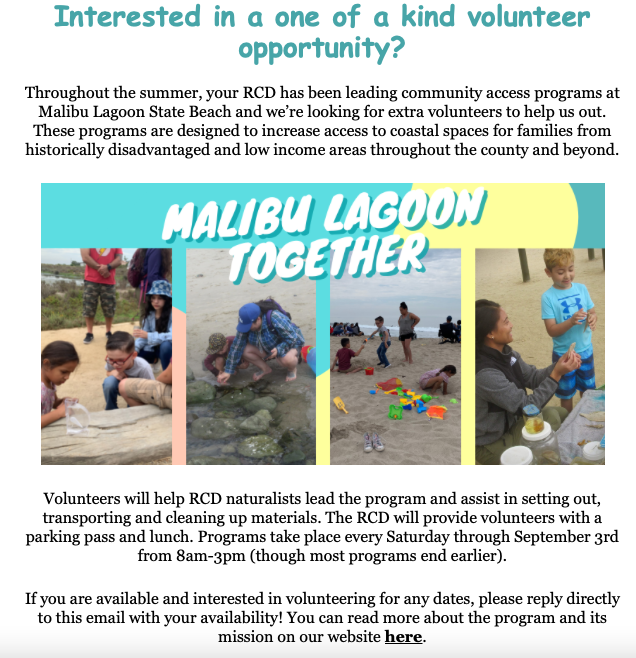
RCD offers Malibu Lagoon Together program for underserved communities

To learn more about the program, click here.