
Tag: Carp
Europe is one of the best continents to be in when it comes to vacations. Backpacking and taking in the sights on a bus or train is one of the best life experiences you’ll never forget. Among the best places in Europe is Germany. Apart from its scenic views, castles rich with history and the amazing food, it’s also the best places in the world to catch carp. While your wife may frown at the thought of you fishing while you’re in your second honeymoon, the best places to fish in Germany are also some of the most unique and picturesque locations you will ever see. 
If this is your first time fishing in Germany, it would be best to hire a guide. Not that we don’t trust your fishing instincts or expertise, it’s just that locations here have peak and off peak seasons for fishing. On top of this, Germany has a strict and stringent fishing policy. You will need a temporary license to start fishing and if you’re going to fish in private property, you will need to pay the owner some royalties as well. Before this discourages you, let me assure you that if you hire a guide, all of these problems will go away. For a modest fee, your papers, the fishing location and all the gear you will need to fish that elusive German carp will be taken care of. You can check the internet for fishing guides like ProNature to help you with your fishing experience. The good thing about these guides is that they can also arrange your accommodations in some of the best B&B inns in the country.
While Germany isn’t exactly Vegas where you can go Casino hopping, some of the best casinos in the world are here. Casino Baden-Baden} is an example of the casino hotels you can stay in so you can get your daily dose of poker action. If you are travelling with kids, you can also play online at sites like partypoker DE on your smartphone or web browser. Since poker sites like these are abundant online, you can just go for cheaper accommodations next to a lake and let the whole family fish with you. While most fishermen believe that gadgets spook the fish, I find that it’s helpful when you’re waiting it out. Fishing while playing poker makes one hell of a vacation if you ask me.
Once you hire a guide, don’t forget to learn the tricks of the trade so you can go at it alone the next time you’re in Germany. Since fishing is regulated here, there is an abundance of catch and the sizes are relatively bigger than their U.S. counterparts. If there was ever a time for you to start your loved ones on fishing, this would be the place to do it.
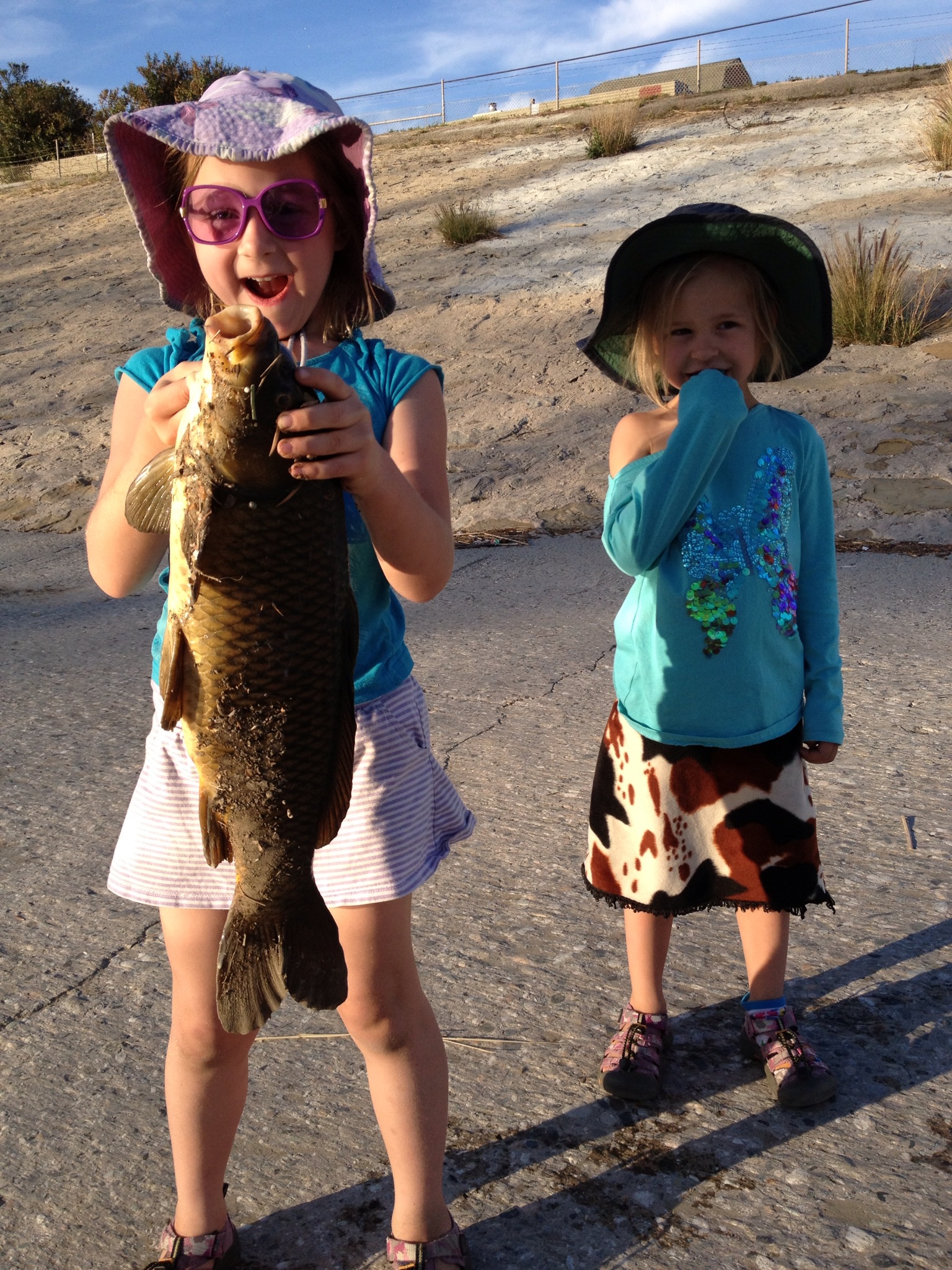
(This post originally ran March, 2011)
“Mad as a March hare,” that’s how the old saying goes.
College basketball fanatics anticipate March Madness; Catholics, the beginning of Lent and, for everyone, the last big-gulp gasp of Mardi Gras: “Laissez les bons temps rouler.”
Crafty fly tyers may litter their vises with March Browns to celebrate the beginning of spring.

And for those of us plying urban waters, it’s time for the semi-annual parade of the carp.
“I think they end up in Balboa Lake. I’ve spotted some huge fish in there,” guide David Wratchford told me yesterday at the Fisherman’s Spot. That would be miles, and miles, and miles upstream from where they begin the migration, probably in the Glendale Narrows.
Earlier in the week, he’d left me a voicemail — with some urgency — that the spawn was on.
My question: why now?
Turning to the bible of carp fishing, “Carp on the Fly” by Barry Reynolds and friends, I found the following water chart:
Water Temperature Remarks
39 degrees Carp begin active feeding.
41 degrees Carp begin pre-spawn move to shallows.
61 degrees Sustained temp lethal to carp eggs.
63 degrees Probable lower limit for spawning.
66 degrees Optimal temp for carp.
72 degrees Metabolism increases rapidly.
75 degrees Probable upper limit for spawning.
79 degrees Sustained temps lethal to carp eggs.
90 degrees Metabolism at a high rate.
97-106 degrees Lethal temp limit for carp.
So, once Mother Nature’s spring water thermometer hits the correct temperature, the carp are off and running. And do they ever run, up into the shallows, and the concrete steps that dot the semi-natural surface of Glendale Narrows and beyond.
If the March hare’s madness springs from its wacky mating behaviors — including jumping into the air for no apparent reason — the same holds true for carp.
“I saw sea gulls attacking a whole group of them. The fish were almost completely out of the water. I don’t know. It looked like they were trying to pluck out their eyes,” said one old timer I met yesterday.
Another younger guy, dressed in surgeon’s scrubs, told me he thought he’d seen a rock on one of the concrete flats. That rock, of course, turned out to be a monster carp.
“Its back was completely dry,” he said, and added that he couldn’t resist picking it up, then setting it back down in the water. I met him and his two friends with poles in hand, hoping to find more spawning carp.
What does this mean for you? Get fishing before the weather turns. Take advantage of this fine spring weekend. Heck, you might even exchange your normal Glo-Bug for a Mad March Hare’s Ear.
See you on the river, Jim Burns
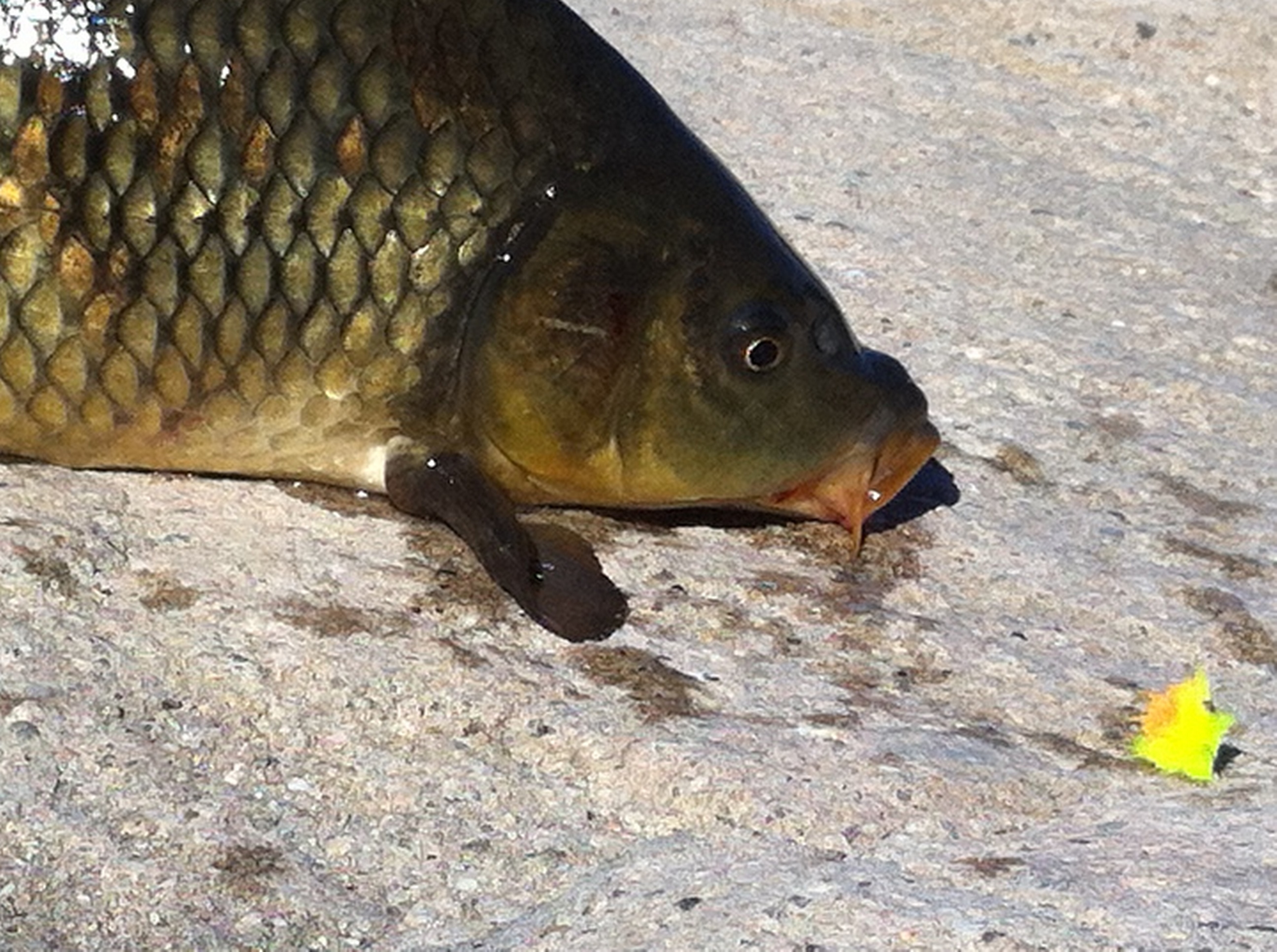
Look at it like this: It’s middle January; we just finished the worst cold snap in 20 years; and, presto, today temps are in the high 70s. That’s why the rest of the country hates us, folks.
And, the carp are going nuts on the river. Sure, you could book your ticket for Belize, hang with your buddies for a week at El Pescador and have a heck of a good time. All for about $1,100 for three nights, plus $500 in air fare.
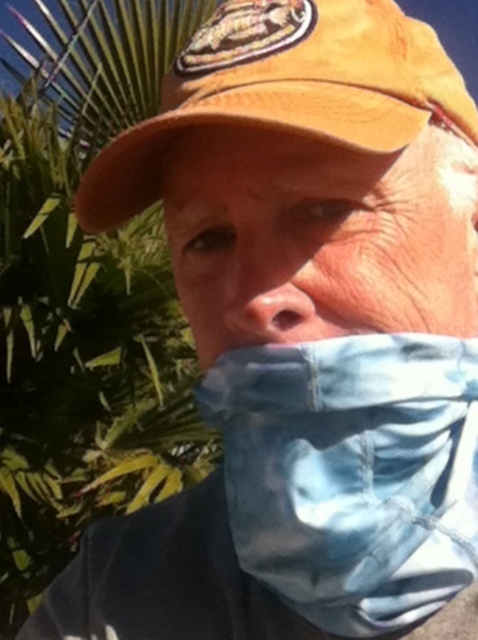
Or … you could take your buddies down to the river and get into our own game fish for the price of some gas and a couple of tasty burritos.
See you on the river, Jim Burns

The Buddhists say that the curse of the human realm is change. And if you live long enough, you tend to agree with them.
Of course, even if you haven’t lived a long time, only a fool won’t recognize that change comes in two flavors: good and bad. Maybe some would quibble with me and argue change can be neutral, but those changes aren’t the ones any of us remember. A neutral change is akin to no change. Most of us see the world in Manichaean terms — a big word for good versus evil. Change is flavored by one side or the other.
Maybe that’s a tad too much philosophy for a Monday morning, perhaps a shadow of tomorrow’s election, but change felt palpable on the river this weekend, and I wondered which flavor it would eventually be.
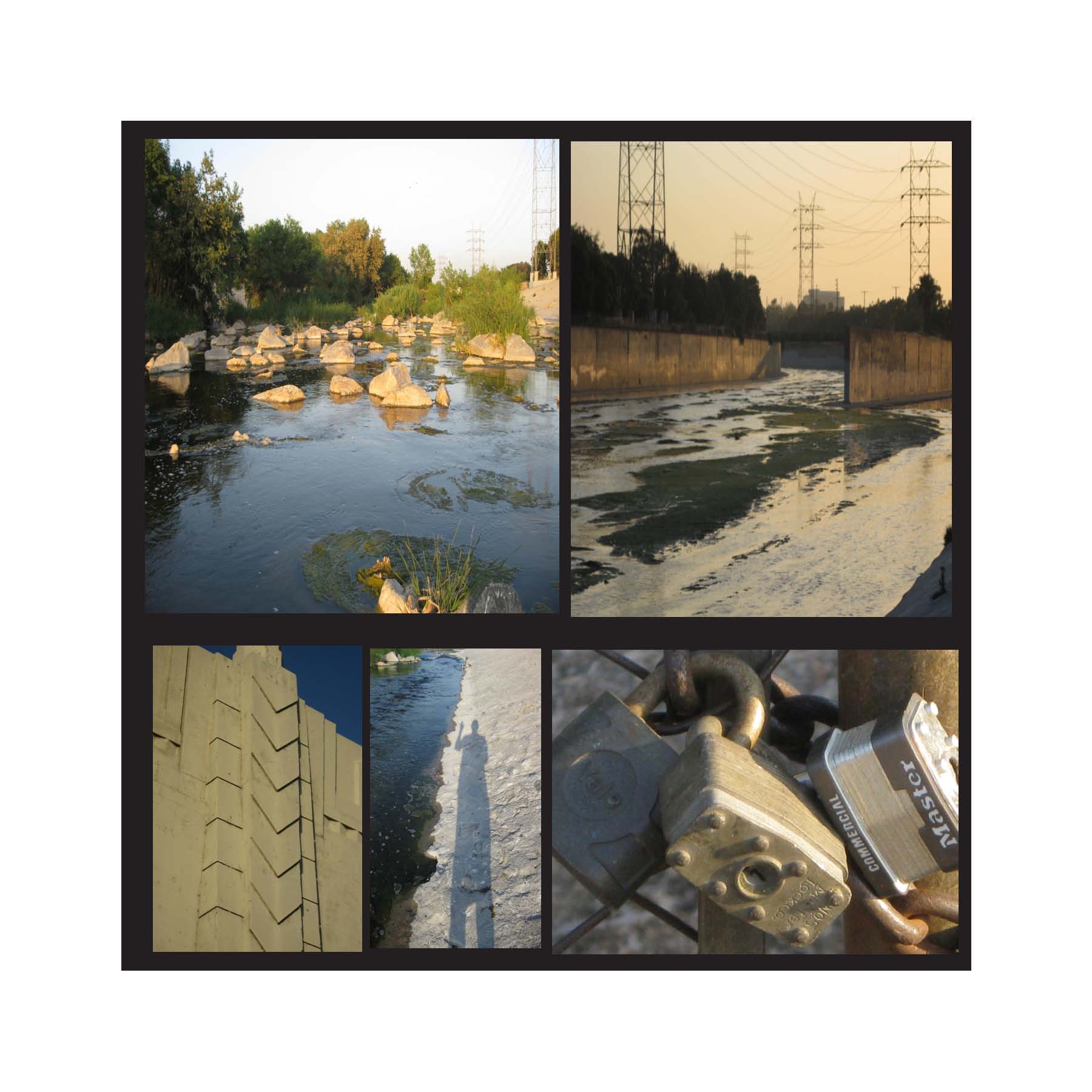
I took advantage of the 80-degree weather to explore three favorite fishy spots, looking for carp. One thing that doesn’t change — I often get skunked by these elusive fish. Water in the Glendale Narrows section is two-to-three feet deep in most spots. Consequently, fish see you as quickly as you spot them. And, at least on the fly, sight fishing is the best way to land one, and it has certain risks.
My boots scraped down the river’s rip-rap skin, close to the giant bunkerlike concrete abutments that once held electric Red Line tracks, jutting out from the old Glendale Avenue bridge. There, the wide concrete swatch of the river’s artificial bottom is entirely concrete, and as I watched the water’s constant flow, I realized this vista I’d taken for granted was vulnerable to change.
By now, if you follow “riverly” events, you know that clothier Miss Me has breathed new life into the stalled keystone environmental feasibility study with a substantial gift. As Molly Peterson reported for KPCC: “The Army Corps of Engineers study, nicknamed ARBOR (Alternative with Restoration Benefits and Opportunities for Revitalization), was $970,000 short of the $9.7 million needed to proceed.”
And the clothing company has offered almost $1 million to close that funding gap. The Corps lead planner Kathleen Bergmann recently told me that the money has to pass through some approval hoops. “We are moving forward on last year’s funds. While funds have been offered, we must receive permission to receive those funds, and sign an agreement. Congress has set up a very precise method for doing this, and must be notified as well. We are in the process of taking those steps to get approval to receive the funds.”
So green is green, and it’s great to know that the money is finally available, even given the ridiculous amount of time it’s taken to fully fund the study during the Great Recession.
“Remember that the fundamental purpose of the Study is to improve the ecosystem values in the LA River– and that means riparian habitat that is good for wildlife, including fish species,” said Carol Armstrong, director of the Los Angeles River Project office. “The Study will go public with its alternatives early next year. Once finished, it will recommend one of those as its recommended project, which will then go to Washington, DC, for approval by the federal powers-that-be. So, those alternatives are under development now. Basically we’re moving from Study to Project now that the Study is fully funded.”
I believe it’s a given that at least sections of concrete are on their way out. Since I began this post on a mystical note, look at the signs.
— The Paddle the River program, although only around for eight weeks a year, is in its second year, with a five-year contract. Now apparently, program leaders have aspirations to paddle the seven miles of Glendale Narrows as well.
— Gov. Jerry Brown signed SB1201 into law this year, which broadens the L.A. County Dept. of Public Works 100-year-old mission of flood control and storm water management to include education and recreation. Friends of the L.A. River and UCLA’s Environmental Law Clinic spearheaded the effort that was then introduced by State Senator Kevin de Leon.
— I haven’t heard of any tickets being issued to those plying the river’s bottom during the last few years.
— Also, I haven’t heard of LAPD harassment of activists since Jenny Price’s river tour was disrupted over a turf war some three years ago.
Add to all that Arroyo Seco Foundation Exec Tim Brick’s recent grant acquisition of over $3 million to improve the Hahamongna watershed above JPL in Pasadena. As he wrote me in an email, “A key goal of this project is to improve conditions for the trout and other fish in the Arroyo stream. The water intake facilities were not designed to protect the fish, but we want to change that by redesigning the facilities and improving the habitat there. This brief video shows the facilities and the area to be improved: Water Facilities in Hahamongna Canyon.”
It’s time for optimism, to see the change as very good. In other words, this puppy is going to happen, because after decades of inertia, the political will has arrived to bring in the bucks.
But am I the only one who gets a little nervous with big money?
As I trudged along in the autumn heat, marveling at this wonderful liquid behemoth, I wondered what the change would actually look like, and I felt that nagging bite of Manichaeism again. I want to be able to fly fish, enjoy the din of the I-5, ponder the eastern vistas of Griffith Park. I don’t want to buy souvenir T-shirts a la San Antonio’s River Walk stalls, although enjoying a crafted beer by water’s edge wouldn’t be all bad.
So let me ask you, what do you want?
— See you on the river, Jim Burns

When I first began exploring the L.A. River, problem No. 1 was finding it. My son and I encountered lots of barbed wire fences, dead-end big box parking lots, and industrial parks, all situated basically on the river, and all with no access granted. That was two years ago, and even though I now have my favs that get us to the carp, the river is basically an insider’s secret.
So, too, are the pocket parks scattered around its concrete banks. The first time I heard about the Yoga Pocket Park in Atwater Village, I thought someone was pulling my downward dog-facing legs … not so. The originators of this tiny green space — I believe the lead was Northwest Trees, but can’t swear to it — were afraid that a more traditional exercise park, based on stations for strenuous physical exercise, would bring gangs.
Today, walking north from the golf course in Atwater Village, through Steelhead Park (another hard-to-find spot, but from the golf course parking lot, head toward the freeway and you’ll see it), you’ll see North Atwater Creek Pocket Park after about 10 minutes of hoofing. Check out the waters here as well …
Open for about eight weeks, the park shows what the river will eventually become: neighborhoods connected instead of rejected; green grass instead of broken asphalt; good vibes instead of creepy. Take a look at the pics below to get a feeling for the place. And, fishermen, there’s a working water fountain, in case you’re thirsty.
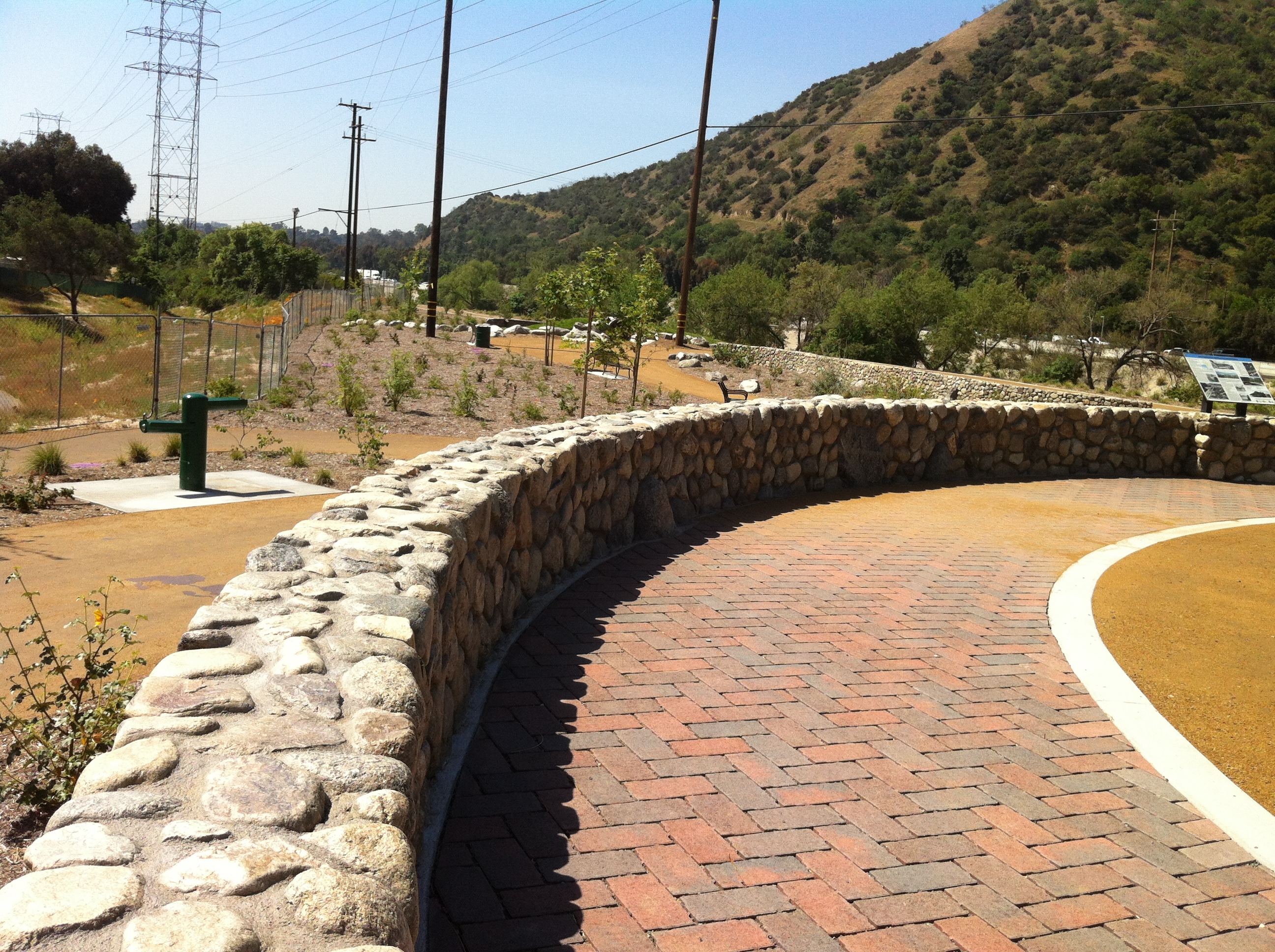
Was it worth the $4 million that came primarily, according to city info, from the settlement of two Clean Water Act enforcement actions? Yes, yes, it was. Bring your rod and check it out. And if you have kids, bring them as well.
See you on the river, Jim Burns

… instead, sign up for FOLAR’s 23rd annual L.A. River clean up, Saturday, April 28, from 9 a.m. until noon. Check the link to find which of the 15 locations is best for you, then … sign up!
See you on the river Saturday, Jim Burns
 lariverflyfishing