Category: News

And so it ends …

I began writing this blog when God was young — November, 2010. It sprang from exploring the LA River, then grew to include our national monument. Now that I’m in Oregon, I can’t provide the fresh reporting and content that made it fun for me and hopefully enjoyable to read for you. It’s time to say goodbye.
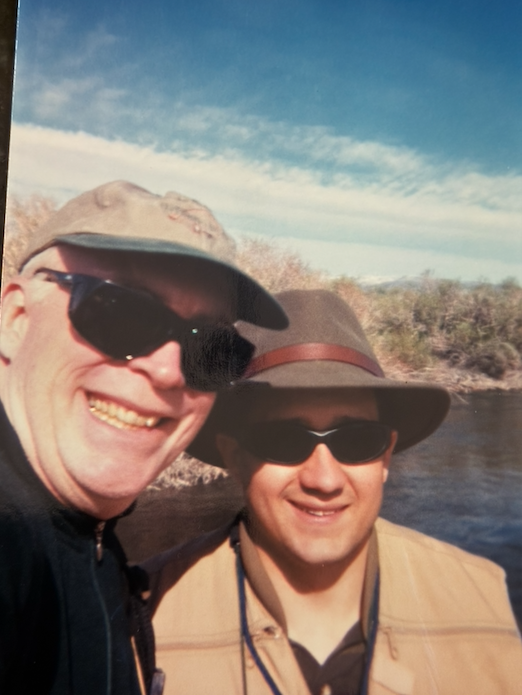
Oh, man, Dave and I had fish fever in the ’90s!

Along the way, I’ve made a bunch of friends: poets, photographers, cyclists, magazine editors, lots of fish lovers, a few dedicated biologists, one fellow dawn-patrol member, a lonesome cowboy, musicians, several tree huggers and even a few of the monarchical persuasion.

I’ve learned one thing: what you do is who you are. If you don’t do anything, but complain about a situation, you will be miserable, make your family, friends and acquaintances think you’re a total bore (or worse). And you’ll rob yourself of getting in on the greatest action of all: positive change.

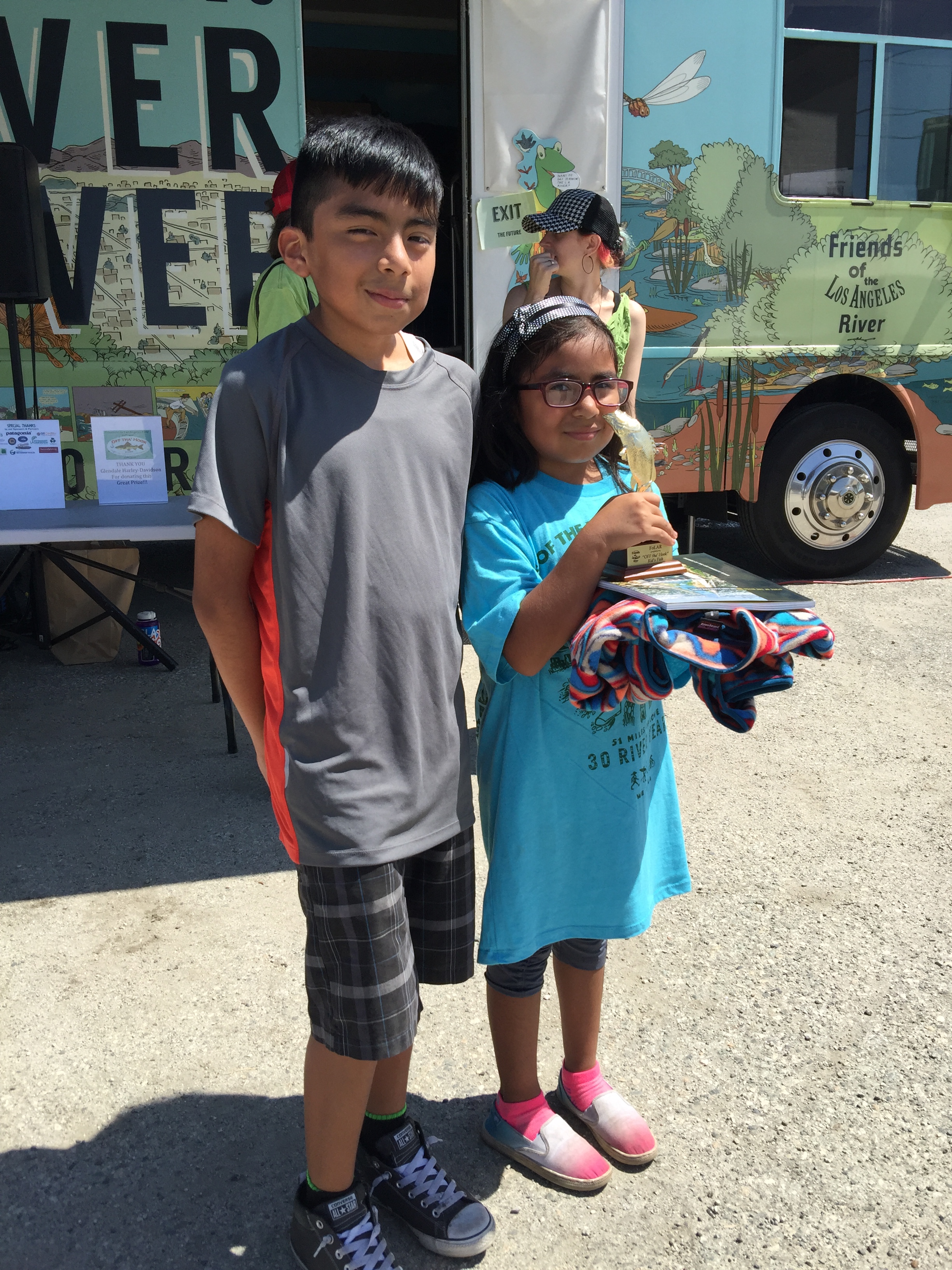
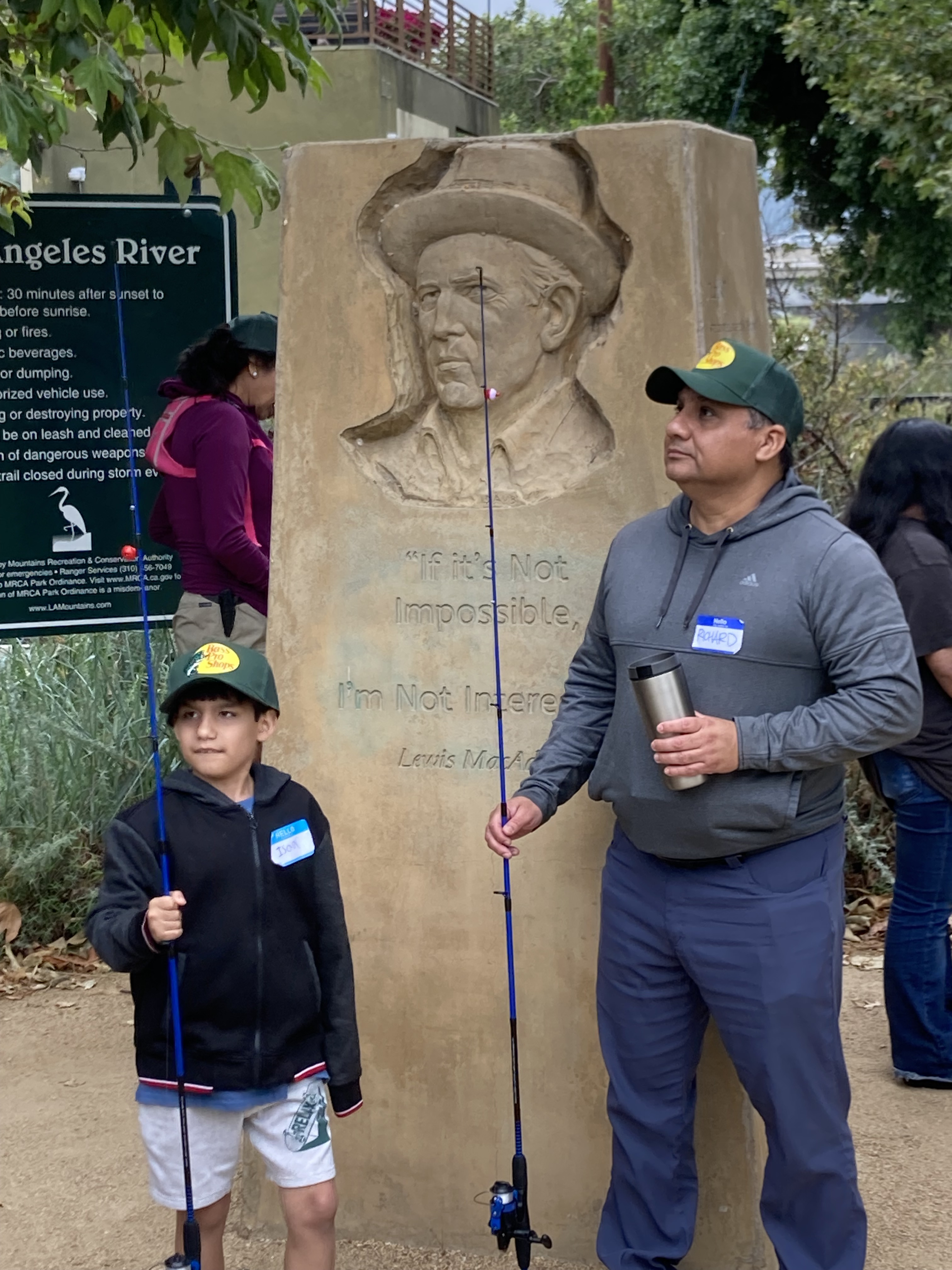
I’ve met besties through the Friends of the Los Angeles River’s Off Tha Hook annual fishing throwback, inaugurated in 2014. Bob Blankenship, Karen Barnett and Bill Bowling, who together with Trout Unlimited South Coast chapter, continue to dream the impossible dream of removing some of the concrete from the lower river. It’s like the poet and activist Lewis MacAdams once said to me:
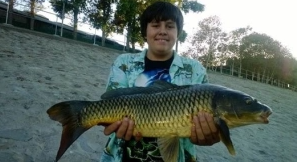
“When the steelhead return, we’ll know our job is done.”

The dude changed my life, and I barely knew him. But he was one of those people whose ideas are so potent they take on a life of their own.

Even here in the outdoor paradise of Southern Oregon, I think about the many times I spent exploring the forks of the San Gabriel, especially the West Fork. How many catastrophes has that water survived? Fires, mudslides, mountains of garbage, fishers who catch and keep above the second bridge. I knew that water like no other, knew its shade trees in summer, loved its talking winter waters, the cooling mists of its seasonal waterfalls.
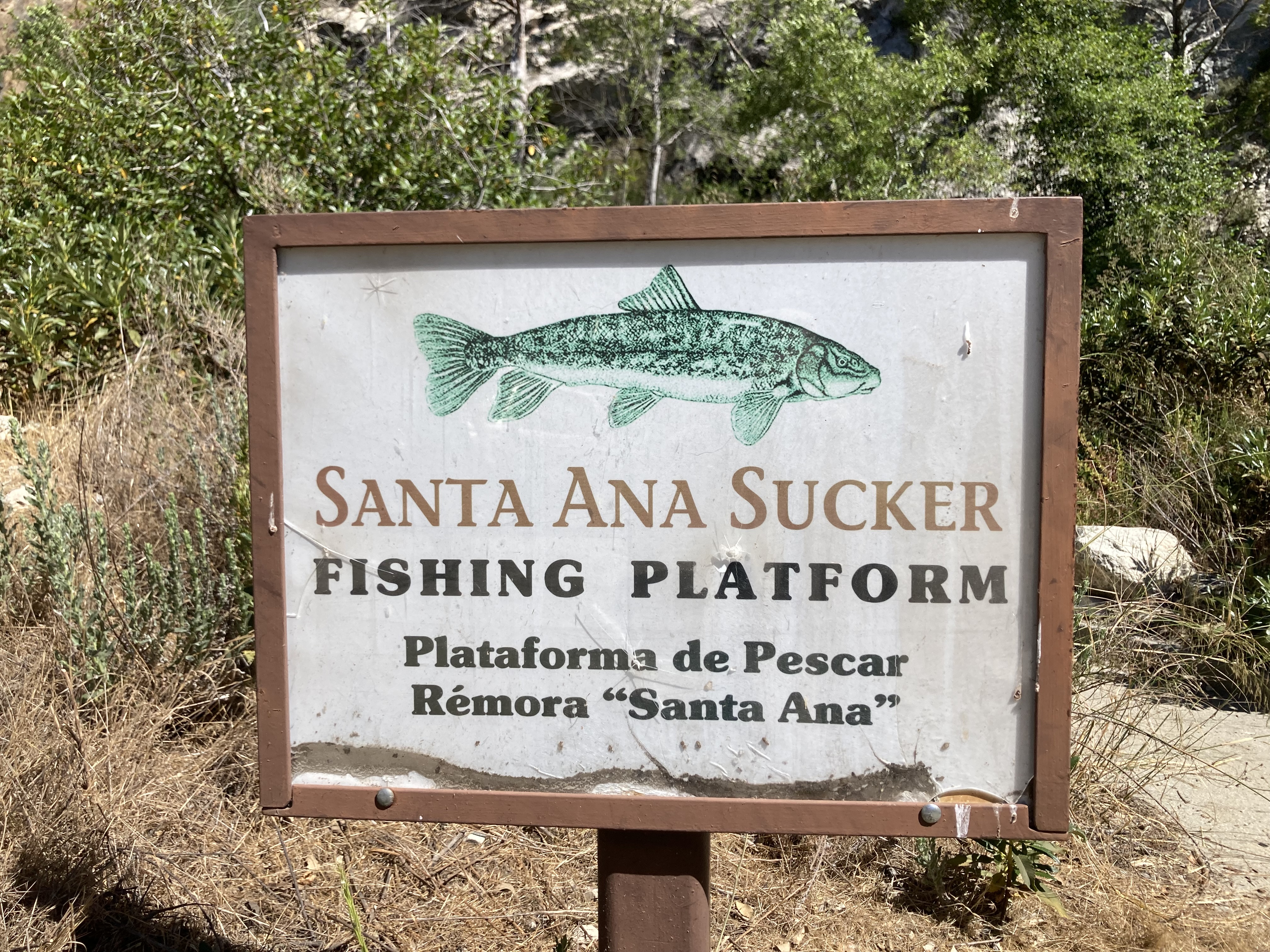
So many guest contributors to thank, I don’t know where to begin: Roland Trevino, Mark Gangi, Freddie Wiedmann, Blake Karhu, Rosi Dagit, Bernard Yin, Keegan Uhl, Derek Flor, Malachi Curtis, Greg Krohn, David Del Rio, Analiza del Rosario, John Goraj, Patrick Jackson, Greg Madrigal, John Tobin, Jeff Williams, Charles Hood, Steve Kuchenski, Johnjay Crawford, B. Roderick Spilman, John Tegmeyer, Julia Spilman, Ansel Trevino, and Ken Lindsay. Some of them wrote multiple posts throughout the years. Thank you, all!

Then, there were the commenters. Of the more than 1,000 comments, some really got into deep explorations of our area, including moekhn, Jim Manoledes, TU’s Sam Davidson, Rivertoprambles, muddler5, PCC’s Scott Boller, Jessica Groenevelt, Capt. Joel Stewart. msangler, Ken Iwamasa, Larry Pirrone, Jack Train, Ken Uede, Omar Crook, Alex Brown, James Pogue, Bryan Rasmussen, paracaddis, Jane Herrmann, sublimedelights, Zino, Ryan Anglin, Trevor McTage Tanner, H. Carl Crawford, Al Q, Tim Brick, Janna Roznos, Izzac Walton, Celeste Walter, Fish Foo, Tilly, Gregg Martin, David Oh, Nicholas Blixt, paracaddis, Dianne Patrizzi, Fly Fishing God, Princess Hahamongna, and Lester Maypole.

Fifteen years and more than 330,000 views later, I can honestly say that many of the names on this page changed who I am and how I view the world. For there is no better starting place for learning to love nature than to see what gets lost in taming it. I think the point is not to doom spiral because of what we’ve lost, but rather to work like hell to try to keep what we have. In the coming years, that will be a particular challenge.
What would the world be without birdsong? Birding has become the No. 1 outdoor activity in Britain, even as we witness bird numbers crash around the globe. So what do you do? Where do you begin?

I started in my backyard with a couple of feeders, which I know my friends, the scrubjays, certainly appreciated when food gets scarce in winter snow. One will even call in my open office window to remind me, it’s time for more peanuts.

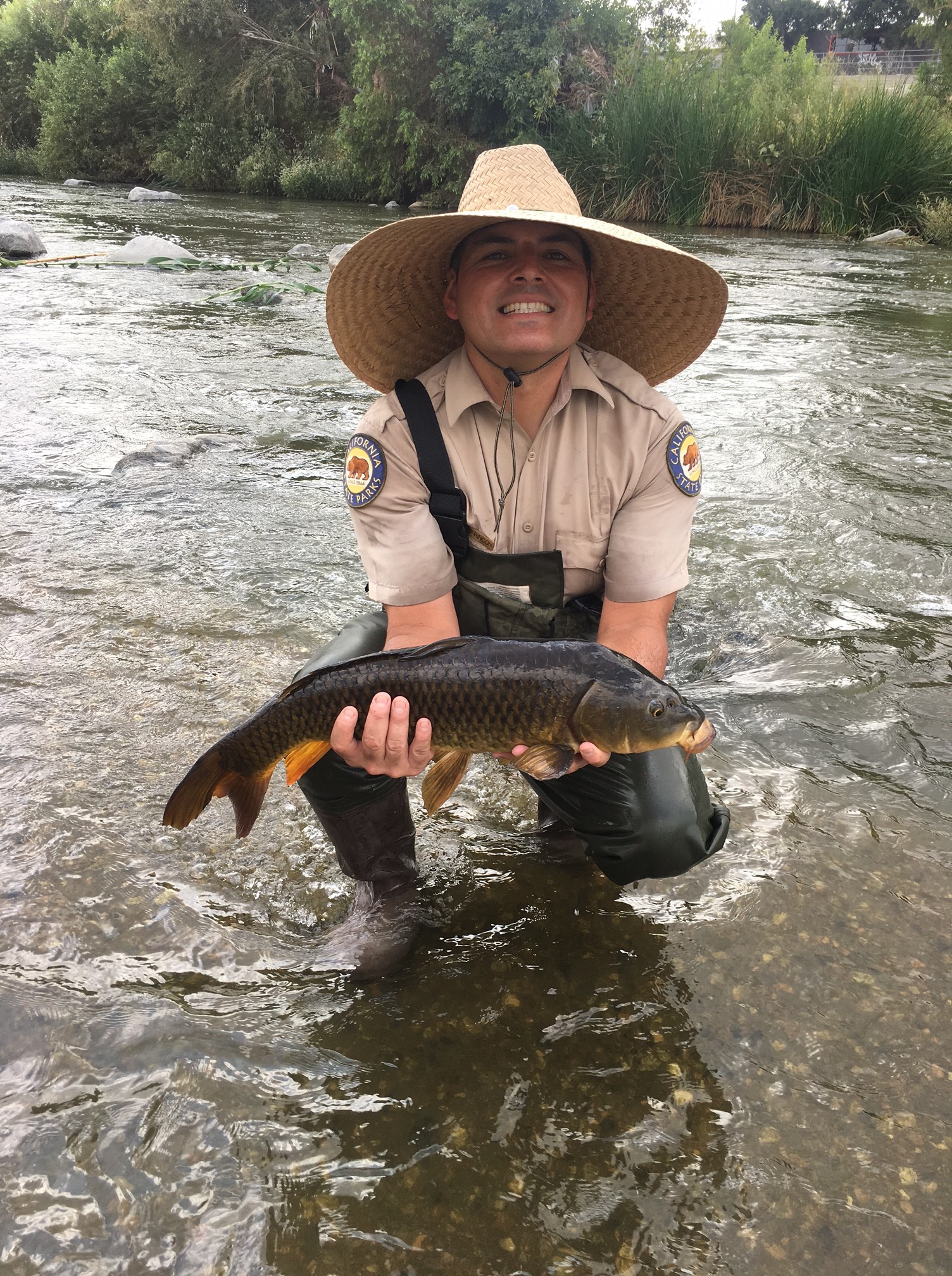
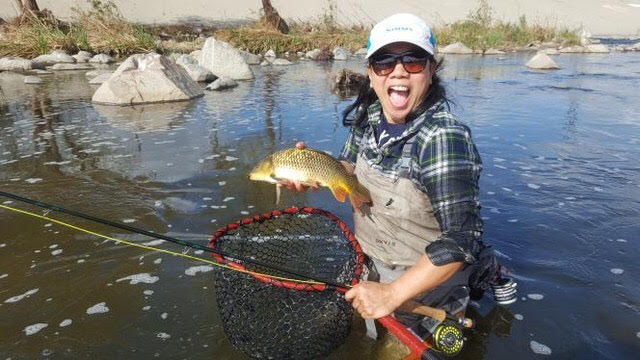
Where would the world be without fish? I’ve never worked in commercial fishing, but sport fishing so captured my heart that I’ve spend all this time documenting what it means to fish literally in the middle and on the edge of Los Angeles. And I can tell you one thing: given a chance, nature always comes back. May it be so in the future.

Finally, where would we all be without each other? That’s a scary thought, but many of our young folks don’t view society like their elders. Think about how apps have commoditized our mutual experiences. “Take me to the airport?” a big ask, has been replaced by Uber. Pay for play, instead of friendship reciprocity. What were once blind dates, set up by a friend, have become the domain of Tinder. And risking talking about your feelings with your friends, well, now that, too, is paid for with a human — and increasingly — an AI therapist. We must be careful to not let technology separate us from each other. It takes an effort to pull someone (including me) away from my cell. Make the effort. It begins with the loss of communication, but, really, it’s about the loss of trust, as young writer Clare Ashcroft, puts it so well in The New Critic.

I am convinced there is no antidote to trust loss quite like getting out of doors. Simple things, like remembering the vastness of a blue sky, the smell of recent rain, the chatter of birds that makes you wonder what to call them. Running waters hold a kind of magic, but only if you take the time to slow down, look and listen. Nature has its way of breaking down barriers. Take the time. Consider bringing a friend, especially a younger friend, on your next adventure. We really do need to learn to trust each other again, and the outdoors can teach us how to regain the bits we’ve lost.

For the last time, see you on the river, Jim Burns

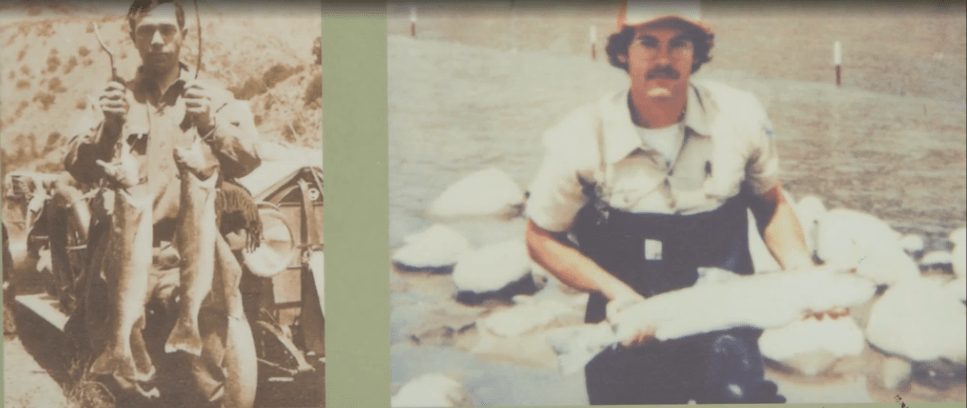
RIP, a true visionary and friend, Dave Baumgartner.

Shot in the arm: Rescued gobies return home!

Saving Steelhead, one at a time

By Rosi Dagit

Guest Contributor

What a crazy time!!!

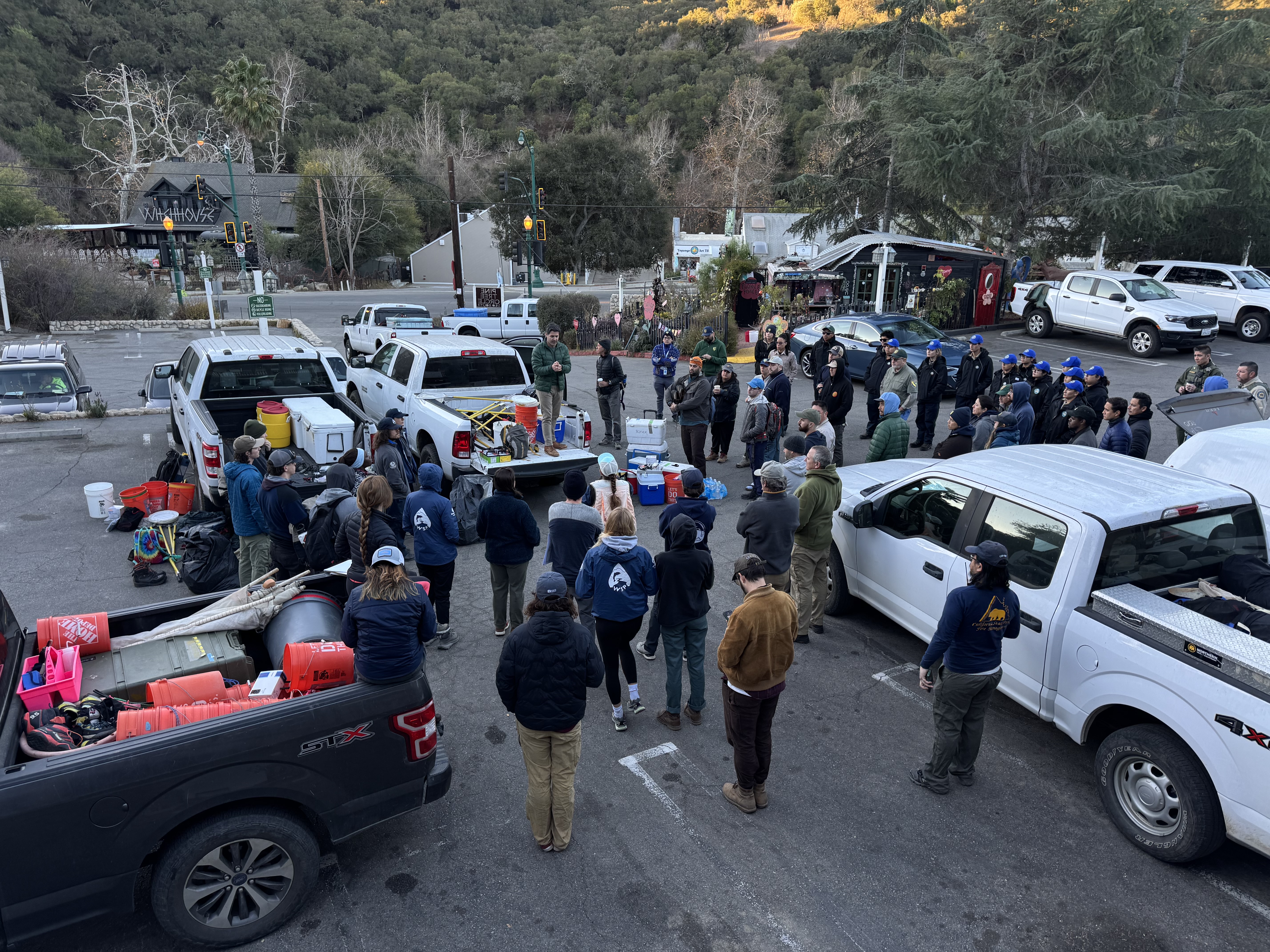
We were so grateful we rescued the trout before the first storm hit on Jan. 26, which filled all the pools with mud.

Think that any fish we left in the creek were killed by that and additional storm events that have made it possible to walk across formerly deep pools.

Thanks to the coordination with the California Department of Fish and Wildlife and National Marine Fisheries Service, we released the trout back into the wild last Monday, Feb. 10, in a beautiful watershed along the Central Coast in Santa Barbara County.

I’m keeping my fingers crossed that they were able to find shelter from the most recent storm. However, I won’t be able to go back and check on them for a bit.

We really hope this sets the stage for CDFW and NMFS to be more proactive in translocating trout so that we have more watersheds holding more fish, creating population redundancy and resilience. 

We are putting together a video that will be on the RCD website next week but attached below are a few photos.

Thanks to all who care about our southern steelies! 

Rosi Dagit is the Principal Conservation Biologist for Resource Conservation District of the Santa Monica Mountains

But are they Steelhead?

A HERO’S RETURN for this fall-run Chinook Salmon spotted on Oct. 16, in a tributary of the Klamath River after removal of four dams marking the first fish to return since 1916. (Photo by Mark Hereford, Oregon Department of Fish Wildlife, Courtesy: ODFW)
MEANWHILE, ARE THESE fish endangered Southern California Steelhead in Orange County? (Courtesy William Preston Bowling)

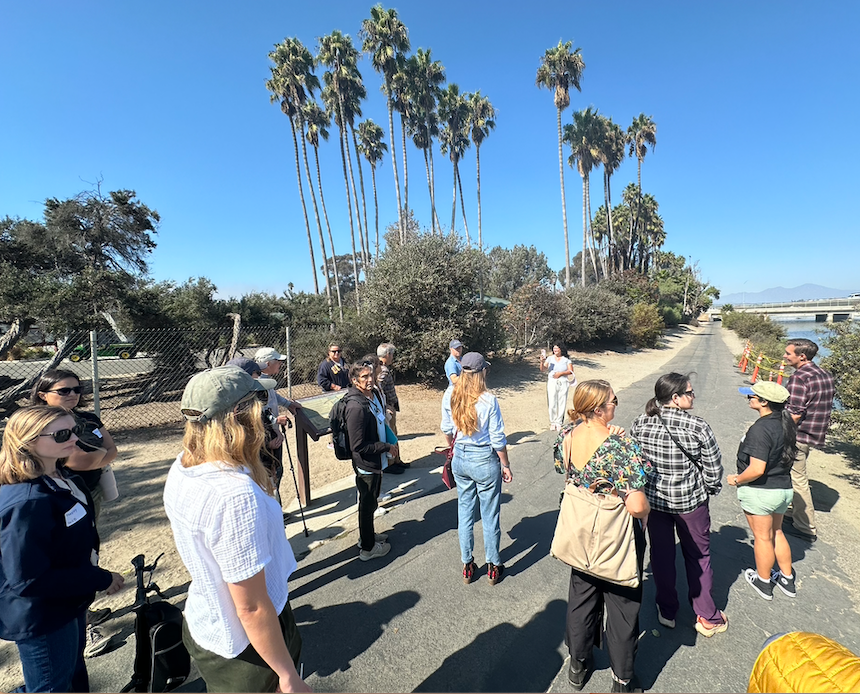
Were they steelhead? That was the question a group of environmentalists and scientists asked themselves as they watched a group of large fish navigate the urban waters close to Orange County’s San Juan Creek Estuary.

Ironically, the group was there on a site visit for Trout Unlimited’s San Juan Creek Estuary Restoration Project, led by longtime advocate George Sutherland, who with help from the California Department of Fish and Wildlife wrangled a 30-plus inch steelhead from estuary waters back into the Pacific Ocean. He’d been tipped of the fish’s inability to reach the ocean by a local shopkeeper. That was in the early 2000s.

Fast forward to 2024 and TU is pursuing grants to improve the area’s habitat for native fish, wildlife and plants, restoring the health of this important water.

Even though Sutherland spearheaded signage about steelhead in this area, the group was amazed to sight what could be the almost mythical Southern California Steelhead, an endangered species, once caught in the thousands in local rivers.

“It was a sign, as we walked past our sign–The Trout Unlimited Steelhead lifecycle–that a hard look is needed in the San Juan Creek Estuary as a place that needs to be restored for the animals that use this area,” ” said William Preston Bowling, President of Trout Unlimited South Coast Chapter. “Evidence of Steelhead Trout and other fish species with an osprey in a palm tree to balance out the circle of life.”

But, the biologists weren’t completely convinced that these fish were steelies, focusing on the shape of the dorsal fins, as well as what they characterized as larger mouths.

Ironically, at least according to one participant, these biologists admitted they’d never actually seen a steelhead in the wild.

The mystery continues until a positive ID is confirmed.

See you on the river, Jim Burns

American Fly Fishing touts restoration project on the Lower LA

Typically, council meetings for the City of Paramount focus on decreasing street takeovers, ap- proving zoning ordinance changes, or funding the small city’s annual health care fair. But during the most recent meeting of 2023, Mayor Isabel Aguayo personally awarded three certificates of recognition to former students of the city’s Odyssey STEM Academy, explaining, “They provided testimony on behalf of Trout Unlimited to the California Wildlife Conservation Board in Sacramento on a plan to naturalize and revitalize a portion of the L.A. River adjacent to Dills Park.” The plan would remake part of the river into a steelhead oasis, pro- viding these imperiled fish a respite and watershed connectivity on their long journey from the Pacific Ocean to their ancestral home waters in the San Gabriel Mountains some 50 miles away. Indeed, the board funded $4.6 million to the Trout Unlimited South Coast (TUSC) chapter for the plan- ning, design, education, and outreach for the Lower L.A. River project during the next three years, making it the largest grant ever received by any TU chapter in the country.

During the past dozen years, the Los Angeles River has moved from object of dumpster humor to a symbol of urban rewilding. According to the city’s LARiverWorks, there are nine projects worth $500 million in the pipeline, from funded design stage to construction.

Although two fish passages are envisioned, one in downtown Los Angeles, the Lower L.A. River Channel Restoration and Access stands out for conservationists. “The L.A. River restoration effort is not about fishing, and it’s not really about trout,” says Bob Blankenship, of TU’s South Coast Chapter; he, along with another TU board member, Karen Barnett, spear-headed the effort. “It’s about helping local people reimagine their local river, with global exposure that will jump start other restoration efforts.”

Read the rest of the story in this month’s American Fly Fishing. I’ll post a link to it once it’s available.

See you on the river, Jim Burns

FRVC President passes away

It is with much sadness and a heavy heart that I share with you all that Dave Baumgartner has passed away.  He had been battling cancer since December 2021.  His goal was to stay as active in our forests as long as possible, which he did without complaining.  Dave was trail building in April and was out on patrols in May!  He lost his battle on June 1.

Dave had a wonderful life that he lived to the fullest, filling it with adventures and good people!  He spent every day possible volunteering, working or recreating in the Angeles and San Bernardino mountains these past 13-14 years.  He never tired of exploring our mountains, being on patrol with fellow volunteers, or telling his stories and sharing Dave’s Fun Facts! 

He appreciated all of our FRVC volunteers!  Whether you were regulars on his patrols, worked with him occasionally in the field, at an event or on administrative items, were trained by him or didn’t have the opportunity to meet him, he knew that you all are the life of FRVC. 

Dave’s request is that we all work together keep FRVC growing strong.  I did promise Dave that I’d remain active in FRVC to not only continue to do the things I loved in our organization, but also to honor him and the work he has put into FRVC.   

The Forest Service has offered to hold a Celebration of Life later this year.  I will provide details when we have a firm plan. In lieu of flowers please donate to your favorite charity or add a photo or memory >>to Dave’s History.

Thank you all for your support! 

Jane Baumgartner

Bummer, dude, Chantry to remain closed till later summer

Local high school students Tommy, left, and Charles fly fish for the first time in Santa Anita Canyon in 2011. ( Credit Jim Burns).

From the Forest Service:

Big Santa Anita Canyon (which includes the Chantry Flats Picnic Area) adjacent to Sierra Madre/Arcadia remains temporarily closed until mid- to late-summer.


More work is being done to repair roads and resurface the picnic area parking lot after the Bobcat Fire and subsequent flooding. In addition, volunteers have been working hard on trail repairs. 

It can take three to five-plus years or more for an area to recover from a wildfire, especially with excessive post-fire flooding. When plants’ root systems are burned out, there is little to nothing to hold soil in place until more regrowth.

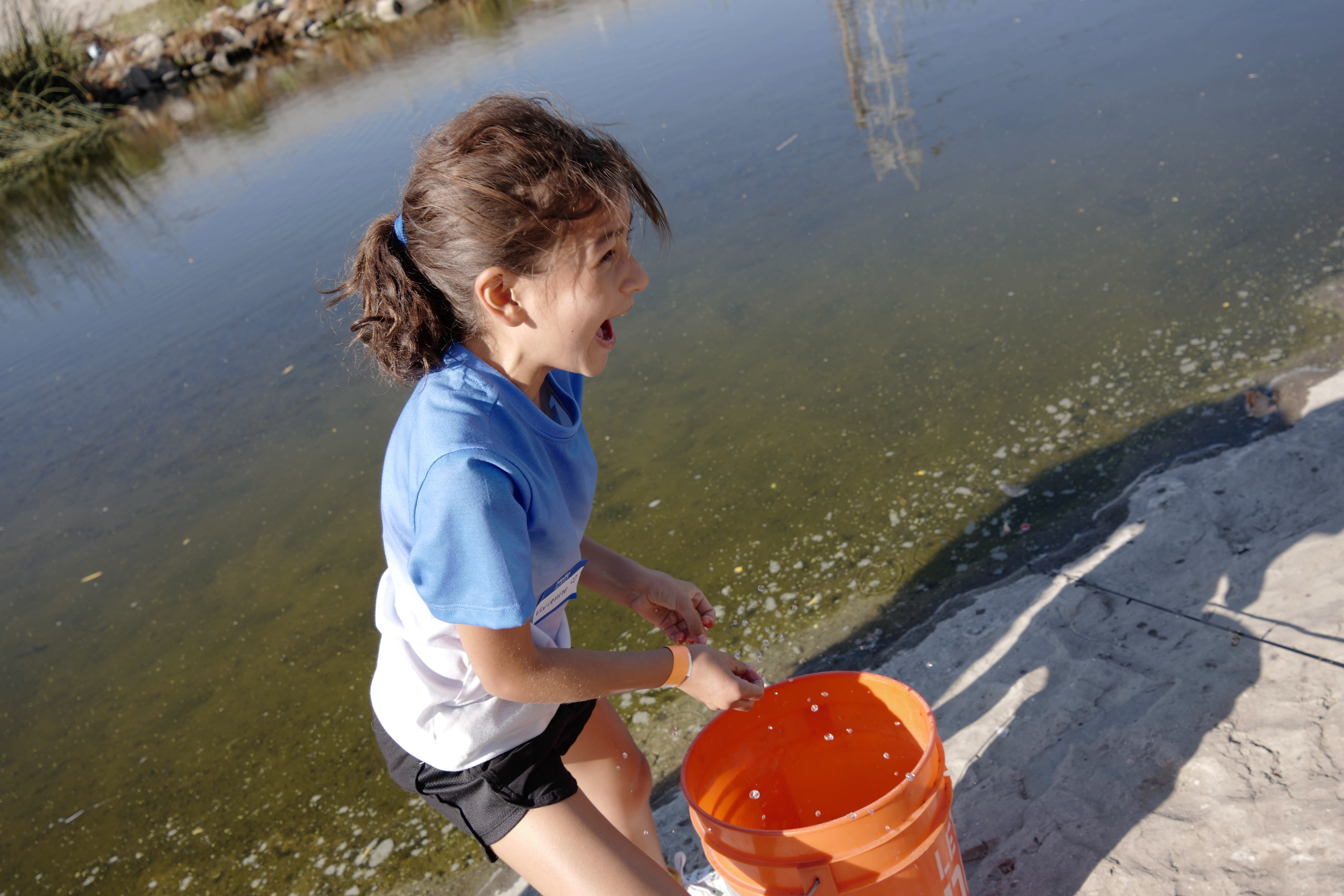
TU celebrates 10 years of teaching kids to fish on the LA

LIKE FATHER, like son, Saturday at the park, learning to fish. (Jim Burns)

Earth Day action: State chooses to list SoCal Steelies as endangered

(Credit: NOAA Fisheries. Click to watch a three-minute video.)

As of this Earth Day, the verdict is in for Southern California steelhead. State wildlife officials have voted to list the fish all readers of lariverflyfishing love (fishing for carp, waiting for steelhead) as endangered. The listing, which echoes the federal listing in 1997, adds such protections as:

Hands off. SoCal steelhead are off limits to angling.

—  State agencies must protect these steelhead and their habitat when approving projects.

 Matilija Dam, Rindge Dam, Trabuco Creek, and the Santa Margarita River, Solstice Creek will all receive further scrutiny. Who knows if this will actually speed the process up of dam removal, fish passages and more water staying in our local watershed? I also wonder what this means for our own Brown Mountain Dam? Aren’t the trout in back of JPL the great-great-great- grandsons and daughters of ocean-going steelhead? Tear that sucker down as well.

George Sutherland, South Coast Chapter, Trout Unlimited’ s Conservation Chair and the co-founder, SC Steelhead Coalition, put it like this:

“I hope that this will lead to completion of many great projects of value to our watersheds, streams, estuaries, wetlands, ecosystems and habitats.

“The steelhead just need a bit more help. I’m proud to have been be a part of this focussed effort since 1980 and can’t wait to get moving forward.”

See you on the river, Jim Burns

Two feet of Santa Barbara chrome

THIS ADULT STEELHEAD, close to 24 inches long, was detected in Salsipuedes Creek, a tributary of the Santa Ynez River in southern Santa Barbara County, on March 22.  Apparently the fish was accompanied by two others, and all were released after taking scale and tissue samples from the photographed fish. (Credit: Mark H. Capelli, National Marine Fisheries Service)