Category: Ecology

Public lands, our responsibility

You can check out American Fly Fishing mag>>HERE. My short story is in the current issue.

You never know what you actually miss about a place until you’re no longer living there. I spent about 40 years in SoCali, I think. And while I can tell you a lot of things I don’t miss about living there–the traffic being No. 1–I do miss the land, especially the San Gabriel Mountains National Monument. I spent years exploring its creeks, rivers and have so many special memories of the place. Many of those spots I chronicled on this blog.
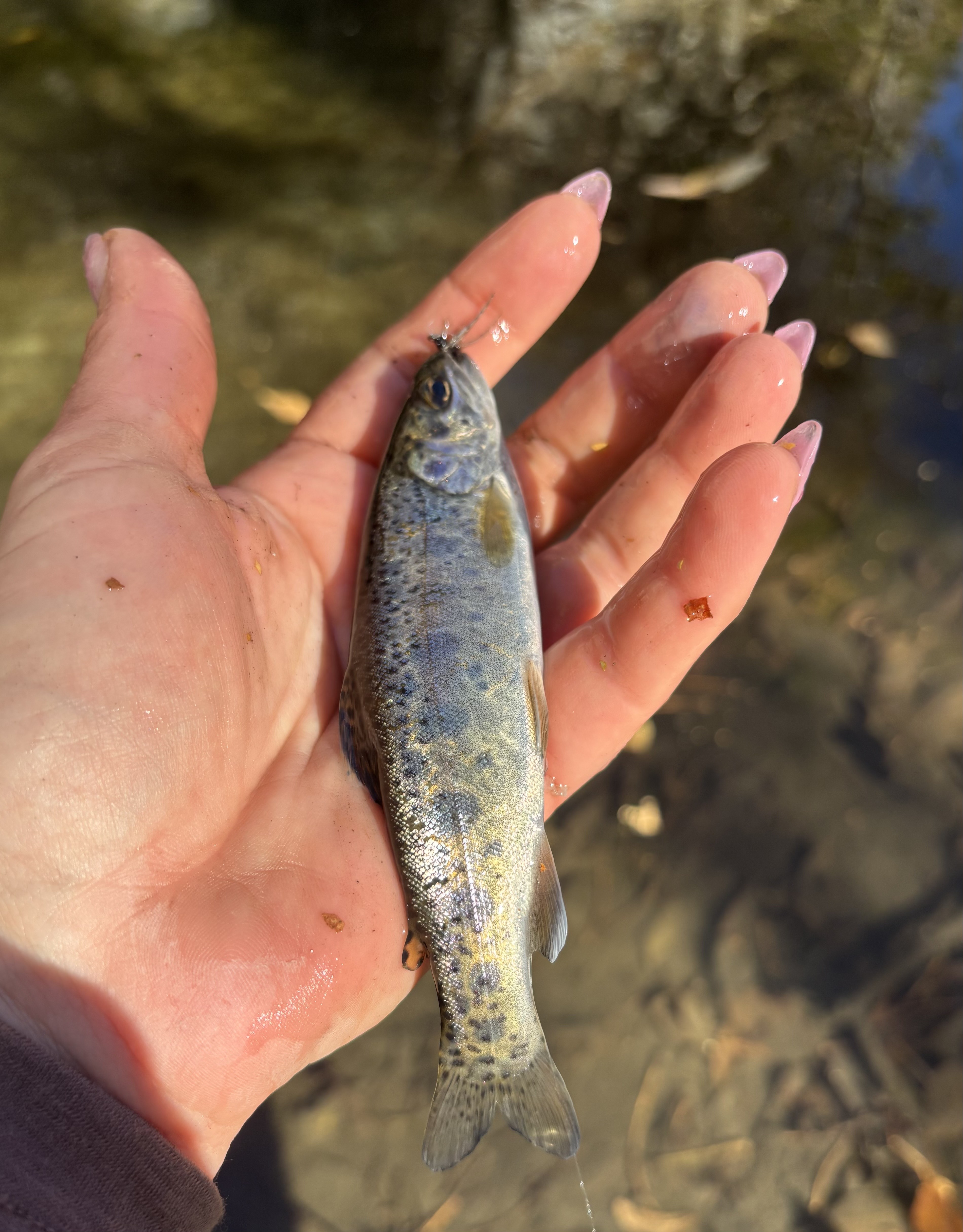
Caught with a tenkara rod and reverse dry fly, this wild trout is a winter beauty. (Permission France Mer)

It’s super gratifying to get emails from readers who are looking for the same kinds of excitement I always found in those bone-dry hills. This week’s was from a young woman who just relocated from Montana! She wrote ” I’m … ready to drive 2-3h for the thrill of catching even small guys :).” She gets it.

Even here in Oregon, I’ve not found a thrill so big as being able to coax a small wild trout out of hole that’s not deep. I guess I’m the guy who says, “Hey, it’s a miracle!” about a seven-inch rainbow, instead of showing you just how dang big that sucker was from my last fishing safari. Just knowing that life continues on, if we only help it along a bit, is a thrill that kept me going back again, and again.

Here in Southern Oregon, this week, I was one of a few who volunteered to check hoop traps to see what was coming up the small streams. Our fish ID chart included Coho, Chinook, Steelhead and Cutthroat. This tiny creek ran next to a local high school, and the biology teacher there has lead a fish in the classroom project for something like the last dozen years. While in So Cal we call it “Trout in the Classroom,” here it’s called “Salmon in the Classroom.” Different name, same spirit. Those lucky students just need to walk out of their classroom to watch citizen science in action.

I also had to leave the Fisheries Resouces Volunteer Corps and miss the friends I made in that terrific organization. If you ever thought about volunteering, FRVC could use your help. Get more information >>HERE.

Check out what they did this year:
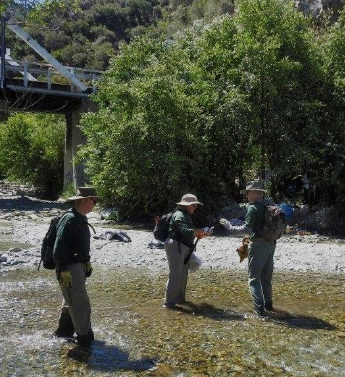
  • 13,646 lbs of trash removed
  • 195 recreational dams removed
  • 431 tags removed
  • 51 angler surveys recorded
  • 57 events and projects attended, plus countless patrols.

Can you believe that trash number? I can tell you that all the garbage is removed by people who care about the land. It’s all done by hand and takes a lot of work. A day of garbage collection in the San Gabes leaves you tired, possibly angry at the lack federal solution to stem the tide, but overall happy. While you’re toiling away wondering why some of your fellow Angelinos just toss away their pizza box and El Pacificos, instead of getting jaded, you can find hope in kindred spirits.

The fact FRVC only logged 51 angler surveys is a bit disturbing. If you go out to the West Fork, don’t forget the angler box is just above the first bridge. Take a few minutes to log your catch.

See you on the river, Jim Burns
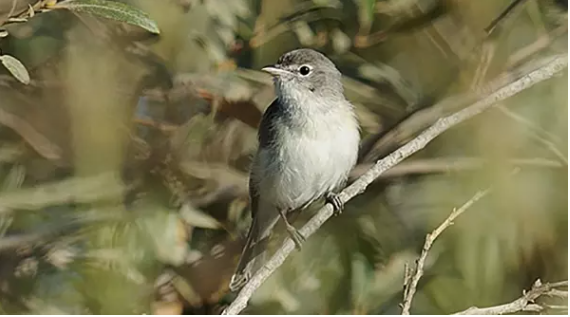
Smithsonian gives some love to the LA, Lewis MacAdams and the Least Bell’s Vireo

Thanks to friends Mark Yanni and John Loo for spotting this fascinating story from Smithsonian Magazine.

Least Bell’s Vireo (Courtesy U.S. Dept. of Fish and Wildlife)

“Along a gentle bend of the Los Angeles River, in a stretch of land called Taylor Yard, a sound like a high-pitched record scratch can just be heard above the cacophony of city life. This is the call of the least Bell’s vireo, an olive-gray songbird that is only five inches from tip to tail. The riparian species native to Southern California has lived an endangered existence for more than 40 years. Now, the small bird’s return here symbolizes a new future for one of the country’s most maligned waterways. “

READ THE STORY >>HERE.

Mystery fish IDed as bass not steelhead (sigh)

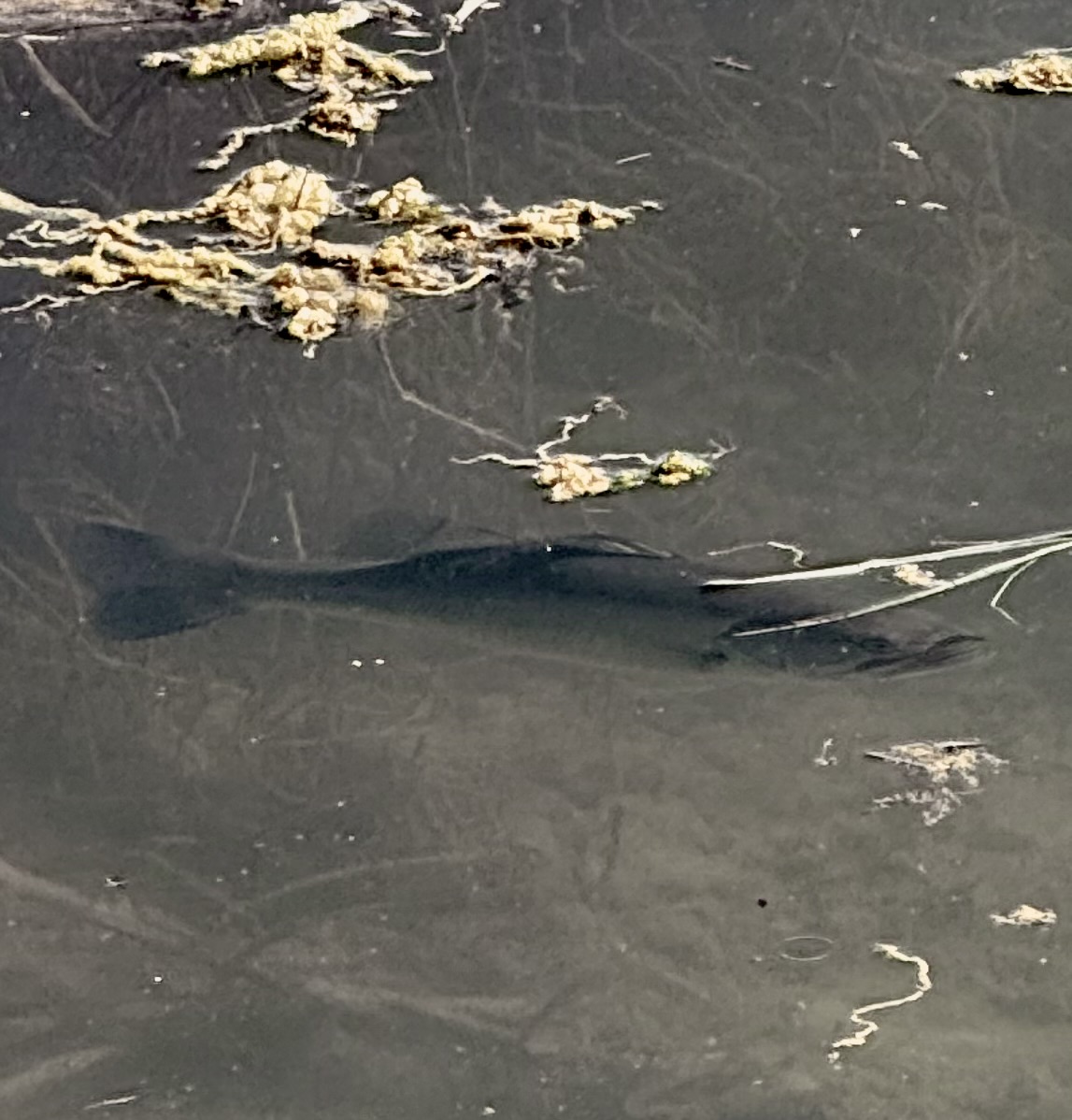
Well … lots of you chimed in about what the heck are the blurry pics in the last post. Could they be what we were all hoping they were–steelhead? There were lots of votes for bass of some sort–I coined the name “torpedo bass,” hoping to be wrong. One noted biologist thought possibly striped mullet, while asking for some better snaps.

Those came from TU South Coast board member Terry Italia.

Based on these better shots, Camm Swift, one of the leading authorities on biology, management and conservation of fresh and brackish water fishes of coastal Southern California, wrote in an email:

“They are bass, probably largemouth, with the jpegs 3117 and 3118 the most distinct.  The two dorsal fins are a tip off and a subtle black stripe down the sides on some, often more prominent.  Very common and widespread in Southern California.  High flows wash them out of local ponds and reservoirs, and these are probably YOY (young-of-the-year) having been hatched in March or so upstream or even locally if the lagoon was large enough and stable.  Can prey extensively on natives.”

Great to know the score, but it hurts at least a bit to not see what we hoped for. Kinda like the election.

See you on the river, Jim Burns

Trout relocation a boon for fishers

This quote from a 2003 Los Angeles Times article says a lot about fishing the West Fork of the San Gabriel, at least downstream.

” ‘The trash needs to be cleaned up,’ said Jason Conway, 27, who traveled from San Bernardino for the trout. He had just reeled in a six-incher.”

Or maybe this, also from the LAT, but from 1988:

” Since 1981, the West Fork, one of the most heavily fished streams in the state, has endured a man-made flood, fire, drought and a destructive release of mud from Cogswell Dam that reduced the fish population.

“’It has been hit with every disaster possible,” Edmondson said. “It has been so beaten down. This stream is a real underdog.’ “

This forest fire on the West Fork was captured by a photographer on Sept. 29, 1924. (Huntington Library)

Edmondson is Jim Edmondson, who at the time was  the Southern California manager for California Trout, the non-profit dedicated to the preservation of wild trout in our state. He was looking for bug life, one of the keys to a healthy river, and he found it.

Flash forward more than 30 years and the West Fork seems periodically bound to be smote by God, or at least the weather, and just as surely to come back to life.

In 1979, the Department of Fish and Wildlife (Then called Department of Fish and Game … times change) estimated around 20,000 trout enjoyed life in the water of the West Fork. But two years later, while repairing Cogswell Dam, the county Flood Control District released an estimated 200,000 cubic yards of silt into the stream, killing thousands of fish and burying their spawning ground, according to the LAT. That caused CDFW to sue the Department of Public Works for $2 million.

Five years after that, a fire around the river burned close to 4,000 acres of bush that held soil in place. Without it, winter rains pushed mud by the tons downstream, again burying trout spawning gravel. And, according to the article, “Just a year after that, the Public Works Department released tons of water while testing valves at the dam during the spawning season, flushing away much of a generation of trout in 70 minutes, Edmondson said.”

But the good news from all of these fish-tragic events –that Public Works, the Forest Service and Fish and Wildlife would meet regularly, study water flow and release water more slowly from the dam to avoid damage — echoes today.

I had quite a round robin with these three agencies over the last several weeks trying to track down a tip from a guy who told me he spoke with a biologist who was releasing trout at the bridge before the East Fork parking lot. By the time I got there, he was nowhere to be found. Emails to both the Forest Service and CDFG at first floated along without any definitive answers.

Then, several Saturdays later, while fishing with two TU buddies on the West Fork, we struck up a conversation with three guys in a red pickup truck, headed down from Cogswell Dam. The driver wore a brown CDFW shirt. He confirmed that during ongoing work on the far side of Cogswell, the department had, indeed, been saving trout, relocating them to both the West and East forks. If only I’d not been under the influence of trout fever, I would have gotten his name.

At any rate, here’s what I’ve found out, officially. No, say the agencies, there are no fish being relocated from Cogswell, but, yes, Los Angeles County Public Works is moving fish out of the San Gabriel Reservoir construction area, which includes portions of the West Fork and East Fork San Gabriel River.  In general, fish captured in the West Fork are relocated farther upstream in the West Fork. Fish captured in the East Fork are relocated farther upstream in the East Fork. This is all part of the San Gabriel Reservoir Post-fire Emergency Restoration Act that began in June, 2021, and will run through 2026, according to Lisette Guzman of Los Angeles County Public Works.

The number of fish relocated varies week to week, depending on the areas fished and site conditions. The fish species that are relocated include the Santa Ana sucker, Santa Ana speckled dace, arroyo chub, and our favorite rainbow trout.

“On a typical day, fisheries biologists begin their day by coordinating with other project activities that could affect aquatic resources,” Guzman said via email. “Captured fish are placed in aerated coolers and monitored regularly while fishing activities continue.”

Once the fish arrive at their new homes, they are inventoried, released and monitored. These ongoing efforts are split between the East Fork, the West Fork and the North Fork. When is the last time anyone caught a fish on the North Fork?

Any of us who fish these waters regularly and over time have seen a jump in numbers and size of rainbows this season.

Joseph Stanovich, an environmental scientist who monitors the trout population in the upper San Gabriel River for the CDFW put these efforts into perspective.

“Spawning grounds are influenced by water availability and water quality for our native resident rainbow trout. Water temperature, forage and size of habitat availability are big players in how fast they develop,” Stanovich said. “It can take a half-year to a year to get to hand size, but based on environmental variables it’s hard to estimate.”

This season, a hand-size trout, once all I caught in this watershed, has given way to bigger fish.

See you on the river, Jim Burns

.

One of the tool used by biologist to relocate fish is electroshock. (Credit L.A. County Public Works)

Readers’ Comments on the state of the San Gabriel River

LOW WATER behind JPL during summer, 2021.

After all this clobbering rain, I’m sure many local fishers are anxious to see what the mountain tributaries of the San Gabriel River have to offer, as we head into spring.

Water right now is racing, one friend describing what he found on the lower East Fork as “like a 10 or 20-year flood.”

Here are a few comment from both before and after the rains.

Any scouting reports are always appreciated.

See you on the river, Jim Burns

November’s thankfulness

Many years ago. Maybe 20-30 years a huge El Nino did an amazing flush of the East, West and North forks. Fishing was amazing for a long time after that. Sadly, I think the recent rains, even though a flushing event, just will not be the same as 30 years ago. Maybe the East fork will benefit. I will venture forth in May but I am afraid of what I am going to find. I long to revisit those wonderful days that we took for granted but I am 78 now and fear that I don’t have enough time left to ever again see it like it once was. —
LARRY PIRRONE

November’s thankfulness

A friend went to another river in our local mountains and said all the normal pools were filled with sand and silt. It was not in a fire burn area. Our theory is that the rains a few weeks ago were just enough to dump sand in, but we need more rains to scour it back out. — Steve

 East Fork SOS: Where Have all the Fish and Anglers Gone?

Lousy. Thanks for sharing those depressing stats.
Consistent with my experience on East Fork too. Last trip was in 2014, here:

No trout. — Izaac Walton

 East Fork SOS: Where Have all the Fish and Anglers Gone?

WRONG. I just thru-hiked from Vincent Gap to the Bridge TNW trailhead and I caught three trout along the way fly fishing with a nymph. The first at Fish Fork, a tiny and beautiful purple rainbow. The second down about a mile, about an 8 inch rainbow, and the third was up north of the Narrows and this 12″ beauty fought like an 18 inch Sierra trout. STRONG fish up there, you just need to know how to fish and what to use. — Brendan Bordato

November’s thankfulness

Ever since the Bobcat Fire razed our beloved West Fork of the San Gabriel, I’ve dreaded going back to take a look and cast a line. I remember taking my son roller blading here when he was around 8 years old. Now 38, that’s been a long time. The place for me was one of contradictions: like the Wild & Scenic designation, while tons of weekend trash overwhelmed the streams’ skeleton staff; or the designation as endangered for the Yellow-Legged frog that ended stocking of the West Fork, which continued to wow fishers such as myself in years to come — without stocking. Of the picture of a supposed steelhead caught above the dam that set off a stir among biologists and enthusiasts alike, only to later be categorized as another rainbow.

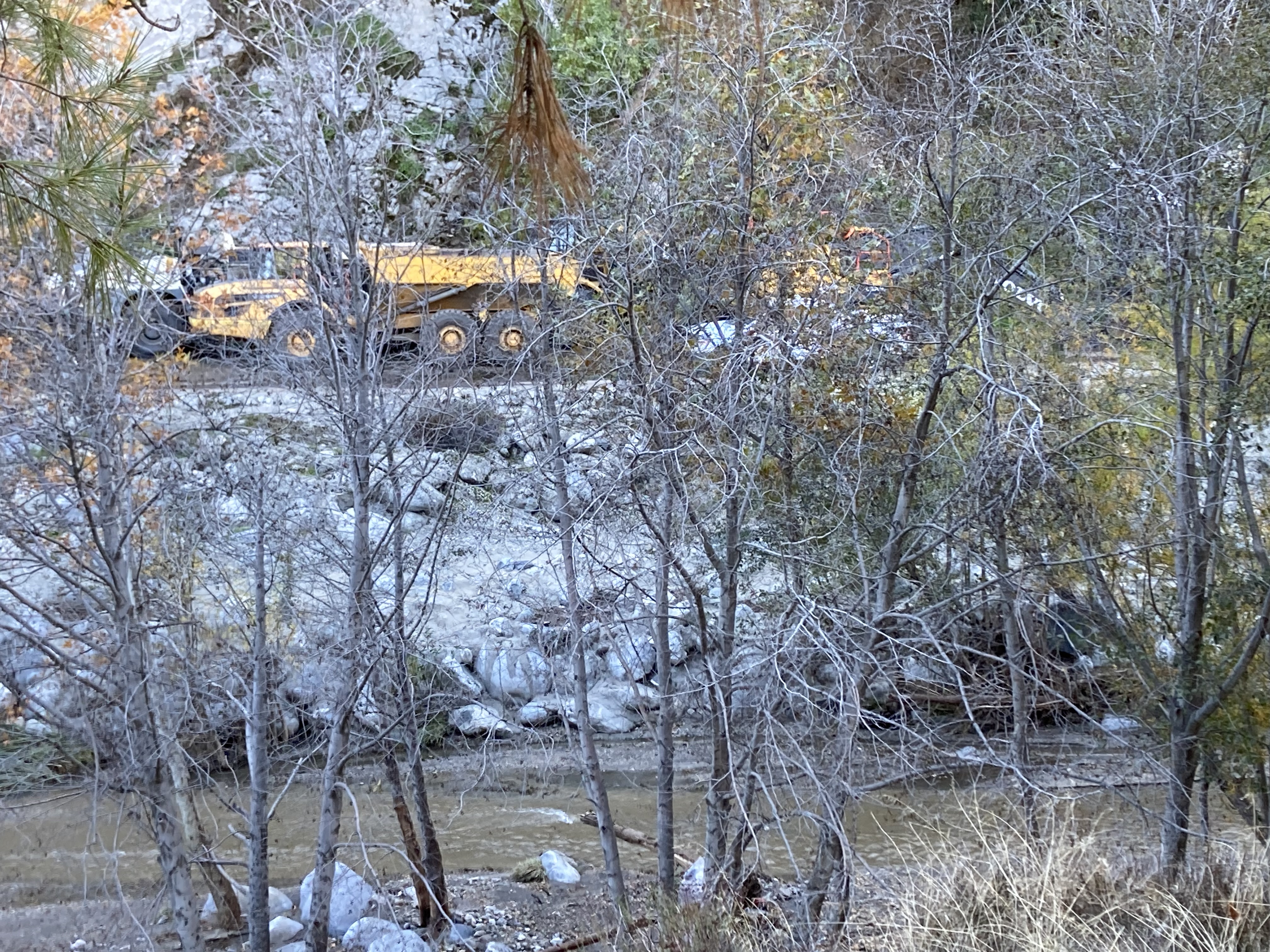
SEDIMENT REMOVAL at the reservoir now takes place Monday through Saturday. West Fork Road is closed to all vehicles. Pedestrian and cyclist use is OK on Saturdays, Sunday and holidays, according to LA Public Works. (Credit: Jim Burns)

Through it all, I loved the West Fork and all the good times it brought into my life.

So, it was with some trepidation that I inflated the tires on the used Schwinn my wife bought me pre-pandemic specifically to visit the WF, oil its rusty chain, brush off its leaves and cobwebs and load it into my go-to adventure car, the 2005 Prius. My heart felt unsettled as I drove to get my $3 cup at Starbucks (actually a mere $2.80 if you bring your own mug …), and followed my familiar route, exiting the 210 at what was once the Miller Brewery exit, heading up the canyon.

I nodded my head as I passed my friend Analiza’s house, thought about the time I had dinner with a woman who I actually think was possessed at El Encanto, heard the words of another friend, Bernard, as he told me about pulling a giant from the lower river. It was like that driving all the way up — the blissful insistency of one’s own memories from a long life.

I almost turned off at the East Fork to avoid having to see what I didn’t want to see. Earlier pictures from braver souls showed a moonscape, where once thick, native trees had shaded much of the seven-plus miles of bike path to the Cogswell Dam. But, I persevered and pulled into the oddly quiet parking lot. Also, odd was the fact that I passed some three Highway Patrol cruisers at the bike lane’s entrance, and a fourth at the top end of the parking lot. Never in all the years of my visits had I seen cops there, nor received a ticket for forgetting to put my ancient Adventure Pass on my dash board. This was new.

As I looked closer, I saw why — several pieces of heavy equipment working hard, making noise, lumbering their way, foot by foot, up the canyon road.

But I thought “what the hell?” as I unloaded the bike and put on my sling, full of lunch, water, and a mix of dries and nymphs. “Maybe I can just stay casual and glide on by them.”

I was reminded on the clipboard scene in Michael Keaton’s journalist thriller, “The Paper,” in which he declares “Henry: A clipboard and a confident wave will get you into any building in the world!”

Of course, as I approached the gate and the oddly dressed big fella in the old car by the gate, I didn’t have a clip board, only a 4 weight Winston Ibis.

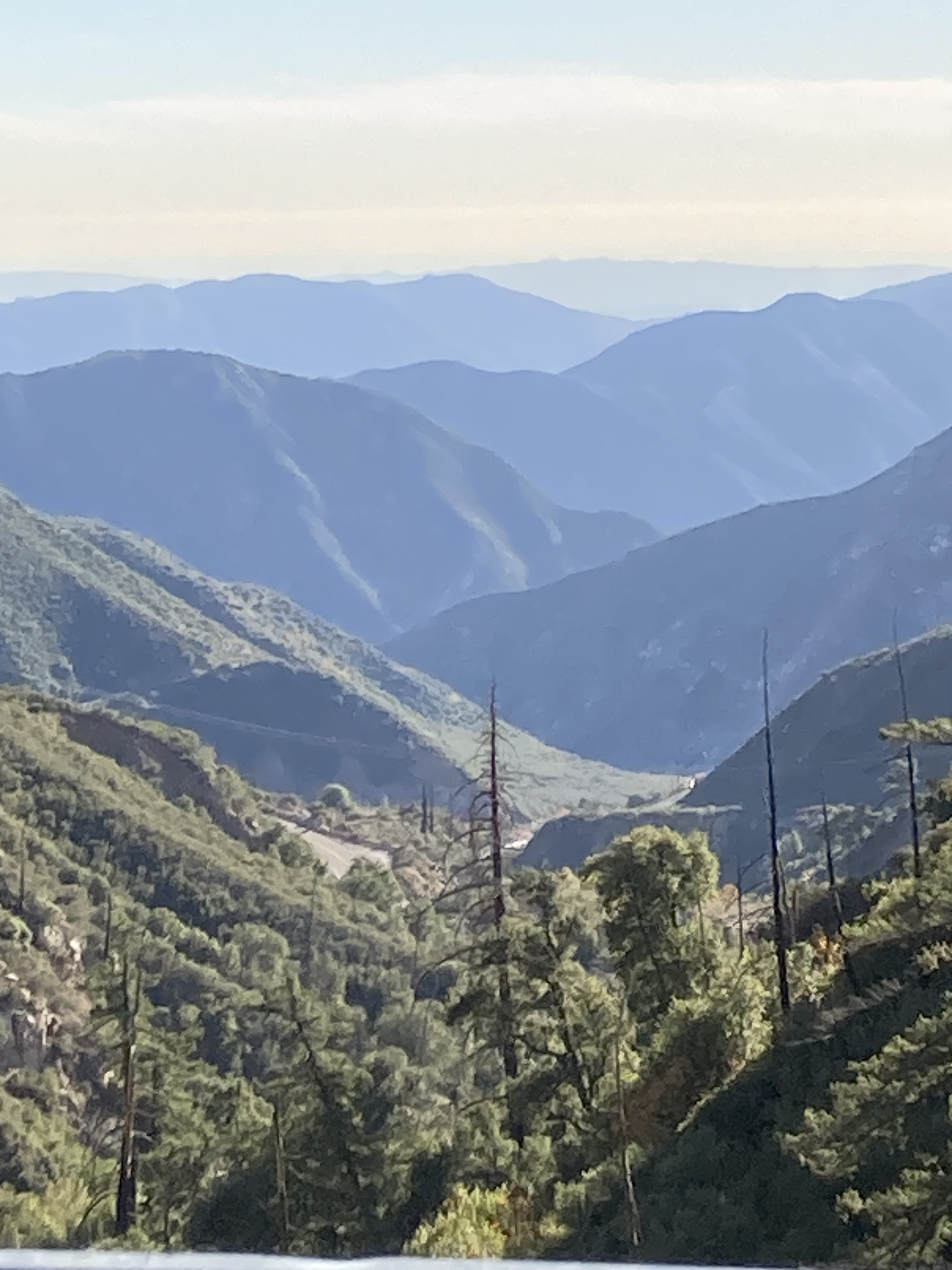
THE VIEW close to Crystal Lake will stop you, with its collection of sharp mountain peaks and deep valleys. (Credit: Jim Burns)

As he lumbered out of his car staring at me, I finally asked, “Can I help you?”

To which he replied, “No, I can help you.”

And he dropped the bomb, the one that let me off the hook of actually seeing what had become of my — our — beloved West Fork.

“It is closed for repairs to the dam.”

“How long?”

“Probably three to four months.”

He still eyed me with suspicion, and I returned the favor. After all the pats, I didn’t expect a guy dressed in old clothes, exiting a beater to be the security guard. But …

Then, I remember: when this closure began I’d run an incorrect headline a thoughtful reader caught. I’d written the WF would be closed on weekends and open on weekdays. It was the other way around. And … this was Tuesday.

Glumly I rode back to the car, stopping to watch all the grunting machinery do whatever they were all doing. But unlike watching big dump trucks and towering cranes gleefully as a kid, instead I felt the weight of loss once again on my shoulders.

To cheer myself up, I decided to drive north to Crystal Lake. In all those years, I’d never driven past the West Fork parking lot! I drove past the North Fork, and, as the elevation steadily climbed from 2,000 to 3,000 feet and beyond, tight valleys filled with the fall colors of yellow, auburn and burnished brown. And the chill was on, beautiful, just the right amount of cool on this cloudless afternoon.

Next time.

See you on the river, Jim Burns

WAY DOWN there is Tad from Orvis Pasadena, who was about to try catching a bass or two. He said the water was crystal clear (no pun intended) in June, but on that day it was murky at best. (Credit: Jim Burns)

‘Whatever happens to the salmon happens to us’

From the Los Angeles Times: California’s Chinook salmon haven’t been able to reach the McCloud River since 1942, when the construction of Shasta Dam blocked the fish from swimming upstream and sealed off their spawning areas in the cold mountain waters near Mt. Shasta.

After 80 years, endangered winter-run Chinook are about to swim in the river once again.

State and federal wildlife officials this week collected about 20,000 winter-run salmon eggs from the Livingston Stone National Fish Hatchery near Redding and drove them for three hours to a campground on the banks of the McCloud River.

Members of the Winnemem Wintu Tribe, who have long sought to return salmon to the river where their ancestors lived, held a ceremony as the eggs arrived in a cooler.

“This is history for California that we’ve done this,” said Caleen Sisk, the tribe’s chief and spiritual leader. “It’s a real blessing.”

Crisis on Montana’s Madison River highlights how far humans will go to rescue fish

Courtesy The Slide Inn

Editor’s Note: I wanted to run this because it shows what extraordinary lengths people will go to in trying to protect fish. This story is from the famous Galloup’s Slide Inn on Montana’s Madison River.

By now many of you are aware of the events that transpired over the last several days, but we will give you a short summary just in case you missed it. In the early morning hours of Nov.30, flows out of Hebgen Dam dropped from 640 cfs to under 200 cfs in a matter of a few minutes. This gave the fish populations inhabiting the stretch between the Dam and Earthquake Lake very little time to search out deeper water, and many became stranded in channels and small puddles among the larger rocks.

We did not become aware of the situation until it was brought up by one of our customers around 9 a.m. and Montana Fish, Wildlife, and Parks was contacted immediately in order to get in touch with NorthWestern Energy. Other Fly Shops and friends were contacted shortly thereafter in order to get the word out, and we headed upstream to investigate. What we found was heart breaking, as there were trout, whitefish and sculpin trapped in small areas throughout that entire system. There were a handful of fish that had died as well, but the biggest area of concern were the large spawning areas that were now completely out of the water.

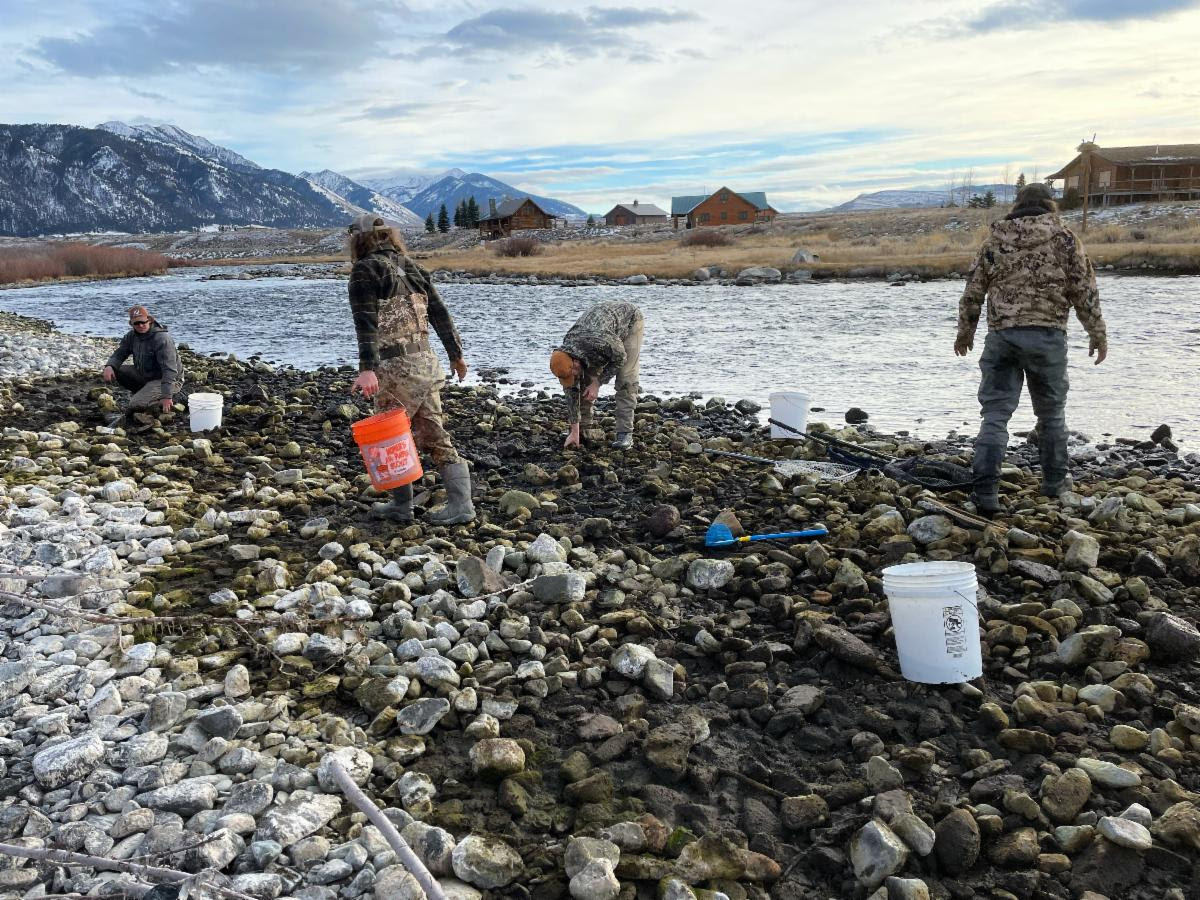
We continued to pick up as many fish as we could, and got them back into the main river. By now word was getting around and we would soon have people from West Yellowstone and Ennis coming to help relocate these stranded fish. By 1 p.m. Montana FWP, Northwestern Energy and more volunteers were on the scene. NorthWestern Energy would later announce that the drop in water was due to a damaged gate component, and that repair crews would be working through the night until they were able to raise the gates up. Later that afternoon they were able to increase the flows to 248 cfs by releasing water over the emergency spillway, but all we could do was watch the USGS gauge above the West Fork continue to drop. At around 4 p.m. MT FWP stopped by the shop to bring us up to speed, and to tell us we were now in recovery mode — Meaning that they needed volunteers to walk the banks starting the morning of Dec. 1 to help relocate any stranded fish.
It was a long night for many of us, as we hoped that the water would stay high enough to cover the primary spawning areas between the Slide Area and Ennis Lake. There was a very real possibility that many of these areas would be exposed to cold air and suffer a similar fate to the areas between the lakes. We woke in the morning and got out to the river. The areas between Lyon’s Bridge and Ennis were far better than expected, and while it was obviously extremely shallow, there was still plenty of water running from bank to bank.

It became apparent to most of the volunteers that day that the areas that needed the most attention were upstream from Lyon’s Bridge. Many people split into teams and walked the banks up and downstream from the major access sites such as Raynold’s Bridge, Three Dollar, Pine Butte and the West Fork.
Courtesy The Slide Inn

Our crew went downstream from Three Dollar to Pine Butte on both sides of the river, and we were actually pleasantly surprised at the conditions. About 95% of the prime spawning areas were still underwater, and there were very few stranded fish in the channels. There were a lot of sculpin that needed a hand to get back into the main river, but we did not encounter any dead fish. The two areas that were hit the hardest in this stretch were two channels located approximately one mile above Pine Butte as you can see in the pictures below.

The Channels from the West Fork up to Eagles Nest on the other side of the river also faced similar conditions but we did not encounter many stranded trout there. The channels from the Slide Inn down to Raynold’s Bridge did have stranded fish and thanks to all of the people out there yesterday, many of them were returned to the main channel. Unfortunately we did lose a lot eggs in this stretch, as most of the channels were dry and there were a lot of sculpin that needed to be rescued from underneath dry rocks.

Courtesy The Slide Inn
As the sun started to dip behind the horizon, we all headed back to our trucks after a long day on the river. The amount of people who showed up to help was absolutely incredible. Not only did the locals show up in force but we had folks from every corner of the state willing to lend a hand … it was just incredible to see.

Once we got to the shop, we heard that NorthWestern Energy had a new gate component en route from Anaconda and that the flow could be restored shortly if the installation was successful. I know a lot of us were still nervous, as the water levels continued to drop ever so slightly at the Kirby gauge above the West Fork. If the river dropped below 300 cfs a lot of the spawning gravel in the Three Dollar Bridge area would be exposed, so we really needed the dam to return to normal flows as soon as possible.

As fate would have it, we all woke up early to check on the progress and when the numbers 640 appeared on the Hebgen gauge, there was a giant sigh of relief. Water levels had also stayed above 300 cfs at the Kirby gauge throughout the night and we did not have a hard frost. Upon further investigation, NorthWestern Energy had repaired the dam just before midnight and water levels were already starting to come up around Raynold’s Bridge by 8 a.m.
In summary, a very large percentage of our spawning beds are safe and sound from Quake Lake all the way down to Ennis Lake. The areas that suffered the highest mortality of fish, eggs, and bug life were Between the Lakes, The Slide Area down to Raynold’s Bridge, and a few channels between the West Fork and Eagle’s Nest. It will take a few years to see what kind of impact the last 48 hours has had on this fishery, but at least we can all breath a little easier today.

Lastly, thank you to EVERYONE for their help. You have no idea how much it meant to see all of you lining the banks and helping out the Upper Madison when it needed it the most.

— The Slide Inn

More good news from Alaska

Got a question? Ask nature

Asknature.org says “It’s time to ask nature” and after spending some time with the collection of thousands of nature’s solutions to problems, I heartily agree.

As the site proclaims, “If the history of life on Earth were put to a 24‑hour clock, humans would have been here shaping the world for mere seconds. As latecomers, it’s time to begin asking the rest of our complex planetary family how to build a more resilient, regenerative, and beautiful world.”

Click on this free online tool and type a question, “Conserve water,” for example, or “Protect from pathogens.”

This morning’s favorite was how to stop plastic pollution in rivers from reaching the ocean. The “floating coconet” mimics rows of fins inspired by the manta ray and basking shark to collect small pieces of plastic.

It’s an engrossing Sunday read.

See you on the river, Jim Burns